

Am I Ready For a Psychedelic Experience?
Learn more about the key mental, physical, and support factors that help you know if you are ready for psychedelics.
How to Know It’s the Right Time for Psychedelics
Choosing to take psychedelics is a big deal. When done safely and intentionally, psychedelic experiences can support real improvements in mental health and your life at large.
However, when done without proper preparation, or without feeling ready, they can pose risks.
With so much talk about the psychological benefits of psychedelics like psilocybin, ayahuasca, or ketamine in modern discourse, you may be wondering what it takes to be truly ready for the experience.
Psychedelic preparation encompasses multiple fronts, from your mindset and physical body to where you choose to take the psychedelic and the support you have around you.
In this article, we’re going to break down how you can know if you’re ready for a psychedelic experience, and what to do if you’re not ready yet but want to work towards getting there.
Why Psychedelic Readiness and Preparation Matter for Safety and Outcomes
Whatever your intention for a psychedelic experience, feeling ready is crucial to help you get the most out of it and avoid potential adverse effects.
Without readiness, you may feel overwhelmed by what comes up and unable to navigate the intensity of the psychedelic state. You may lose sight of why you decided to take the psychedelic in the first place, and come out of it feeling destabilized and unsure of what to do with what you experienced.
Psychological readiness is crucial to ensure safety. Feeling like an experience is too “big” to be able to hold can result in re-traumatization or extended difficulties, especially for people with a history of trauma and nervous system dysregulation. Many people report adverse effects following experiences they weren’t ready for.
Alternatively, when you feel ready – emotionally, mentally, and physically – you are more able to take the experience and translate it into something meaningful in your life. You are prepared for the intensity that the experience may bring and have tools to navigate whatever comes up.
You also have support around you in case you need it, and feel safe throughout all stages of the process, all the way from preparation to integration.
Here are our top signs you’re ready for a psychedelic experience.
Check Medical and Psychological Safety: Contraindications for Psychedelics
The first step to determining readiness for a psychedelic experience is making sure there’s nothing in your health history that would make it medically or psychologically dangerous.
If you’re seeking out a guided experience with facilitators or a psychedelic therapist, they should take you through a screening process to rule out any potential dangers. For all psychedelics, this should include asking about your mental health and a familial history of psychiatric conditions such as psychosis, schizophrenia, or bipolar disorder. If you have a history of more severe psychiatric illness, other therapies may be advised instead of psychedelics.
Screening, whether you do it with a facilitator or healthcare professional or through your own research, should also include physical health intake. Psychedelics like psilocybin mushrooms and ayahuasca are extremely safe physiologically for healthy individuals, but they can raise heart rate and blood pressure. People with cardiac issues should be aware of this and consult with their doctor(s).

Other medicines like ibogaine carry a higher physiological risk, especially to the heart, and should only be done in a clinical setting with continuous medical monitoring.
You should also discuss any medications you are taking with your provider. Certain psychedelics, particularly ayahuasca, pose a serious risk when combined with certain medications, especially pharmaceuticals like SSRIs and SNRIs. It can also be extremely dangerous to combine psychedelics with other substances, like opioids or alcohol.
If you are taking a contraindicated medication and wish to taper off, it’s essential you do this under the supervision of your healthcare professional. Abruptly stopping medications can be extremely dangerous. If it’s not a good idea to stop taking medication at this time, your provider may recommend a different psychedelic or alternative therapy.
Set an Intention, Not Expectations, Before a Psychedelic Experience
Once you have the all-clear on mental and physical health intake, it’s time to set your intention.
Why is it so important to have an intention for a psychedelic experience?
Whether you’re taking psychedelics in a therapeutic, intentional, or recreational context, it’s vital to understand why you’re doing it and what you want to get out of it. This helps guide the journey, enabling you to gain the insight you seek and ensuring the experience turns into real-life impact once it’s over.
Having a clear intention also acts as an anchor if the journey becomes challenging, rooting you in why it was important to you to have the experience in the first place. Intentions usually center on personal healing and growth, self-knowledge, or spiritual or transpersonal exploration.
Some examples of anchors that you take into a psychedelic journey might sound like:
“Come back to the breath.”
“Soften the body.”
“I am safe.”
“Trust and surrender.”
“Show me the truth.”
When going into a psychedelic experience, make sure to distinguish between setting intentions and setting expectations. Even with the strongest intention, it’s important to let go of any expectations of how the experience might unfold. Cultivating a sense of trust in the medicine that it will show you what you need to see will help you do this.
Sometimes this may mean more intensity, while at others it may mean more subtlety. There’s no way of knowing what’s in store. Try to let go of “wants” and avoid associating a “good” experience with lots of visions and immediate clarity.
Signs You Are Mentally and Emotionally Ready for Psychedelics
Next, it’s time to prepare your mind for the experience. Psychedelics can push us to the edge of what we feel our psyche can hold. Cultivating a positive and grounded mindset (the set in set and setting) before a journey is crucial in helping us navigate the psychedelic realms and avoid feeling destabilized once it’s over.
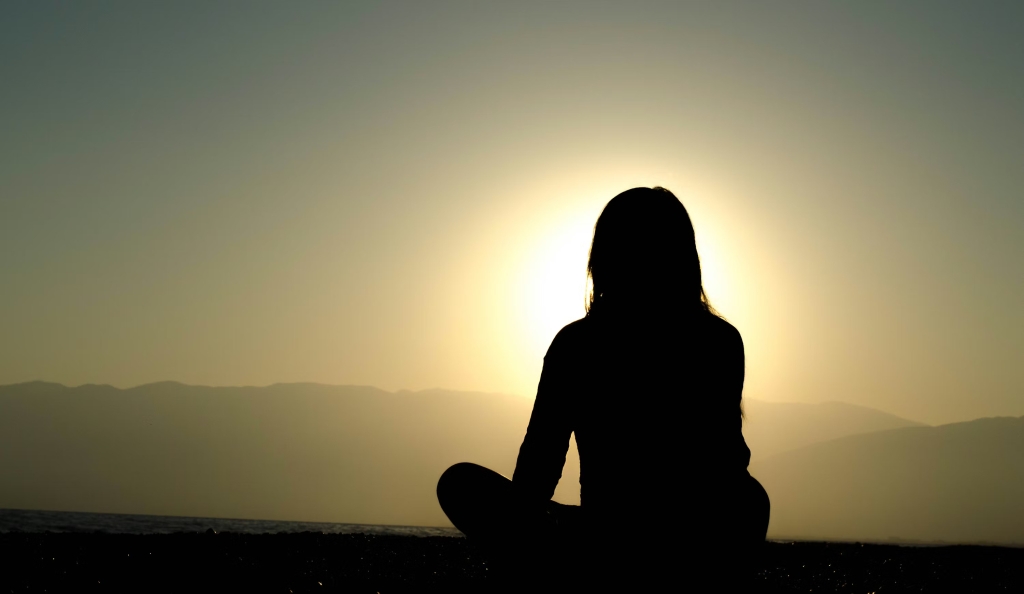
Engaging in activities like meditation, speaking to an integration coach or therapist, journaling, and – crucially – rest, leading up to a journey can all help you establish mental readiness for psychedelics. The goal is to cultivate a sense of surrender, acceptance, and presence in the face of whatever may come up.
Meditation in particular can help you take an observer stance toward psychological material, which is a helpful skill during intense psychedelic states.
You may also reduce or eliminate social media usage, consumption of dark or disturbing content, and screentime in general in the days leading up to your experience. This “mental diet” helps eliminate the mental clutter we accumulate through media exposure in our day-to-day lives.
Signs of mental and emotional readiness for psychedelics include having a stable sense of self, being able to feel strong emotions without shutting down or trying to escape or numb, and feeling able to tolerate uncertainty and let go of a sense of control.
If you are struggling with symptoms of severe trauma and nervous system dysregulation, it may be advised to start with a softer psychedelic experience, such as ketamine therapy, or do ample work in talk therapy before diving into a higher dose of classical psychedelics like psilocybin or ayahuasca.
The Importance of Feeling Physically Ready for Psychedelics
As well as mindset, it’s also essential to prioritize bodyset – the physical component of psychedelic readiness – ahead of a psychedelic experience.
With psychedelics (and with life), the mind and body are intrinsically linked. Many of the practices that help you feel good physically have a positive impact mentally, and vice versa.
Before taking psychedelics, it’s always a good idea to be conscious of the foods and substances you consume and anything toxic that may be going into your body. Guidelines will differ from one medicine to the next, but sticking with healthy, whole foods and staying away from processed foods is a good rule of thumb. In fact, healthy gut bacteria may even influence your experience. It also goes without saying that avoiding alcohol and other drugs is important.
Practices that connect you to your body and regulate your nervous system can help you get ready for psychedelics.This may include mindful movement like yoga, calming breathwork techniques, hot/cold therapies, grounding, and spending time in nature.
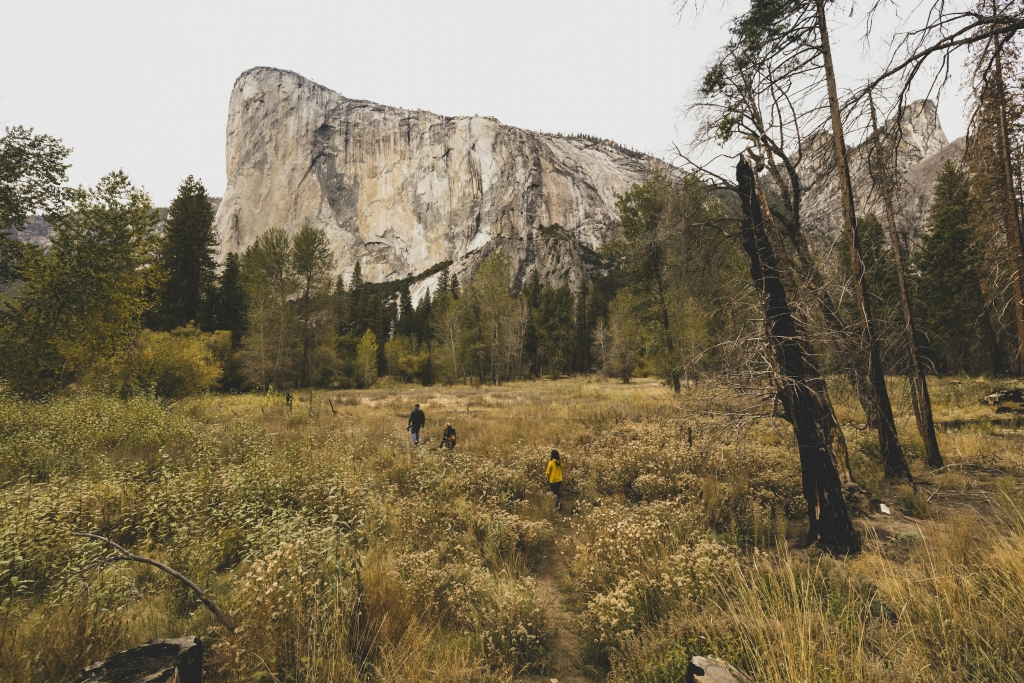
Connecting with sensations in your body and your breath during a psychedelic experience can be tremendously helpful in staying grounded and calm amidst intensity. Psychedelics amplify the current state of the nervous system, so anything that helps you enter the experience feeling calm and well-regulated will lower the chance of it being overwhelming or extremely dysregulating.
Signs of a regulated nervous system and that you’re physically ready include having consistent sleep, breathing mostly from the diaphragm, low levels of tension in the body, and an ability to self-regulate following moments of stress and anxiety.
Set and Setting Explained: Creating a Safe Psychedelic Environment
Now, it’s time to think about your setting and container for your journey. The psychedelic container is a metaphor that refers to everything that creates physical, psychological and emotional safety around your experience.
In the context of guided psychedelic sessions, the container includes not only the physical environment but the presence of trained professionals, the music, the use of shamanic or energetic tools, the boundaries and rules set by the facilitator(s), and the quality and dosing of the psychedelic medicine.
In a traditional ayahuasca ceremony, for example, the container encompasses the shaman serving the medicine, the team of helpers, the icaros, energy cleansing tools, and any pre- and post-ceremony support that participants receive from facilitators.
In a modern therapeutic context, the container would include a trained facilitator, a comfortable physical space, the preparation and integration sessions, and specific facilitation skills they may use during the journey itself.
The “tighter” the container, the more boundaries and support there are. The journeyer feels safe with the guide and has built a relationship with them, built on trust and consent.
Recreational or unguided journeys, however, usually entail “looser” containers. The physical environment may be less secure, such as a public space that’s outdoors, and those present may be trip-sitters or fellow journeyers.
If you’re considering taking a psychedelic on your own or with friends, make sure to set yourself up in a secure space where you won’t be disturbed, create a plan to reach out to a trusted friend (or at the very least, a hotline like Fireside) should you need additional support, and have a nourishing meal and safe space to rest ready for when you come out of the experience.
Whichever container you choose, safety is paramount. Make sure the medicine you’re taking is good quality and from a reliable source, and is dosed correctly. If you have any doubts about your physical or psychological safety, it’s not a good idea to go ahead with the experience.

Social Support Systems: How Human Connection Helps with Psychedelic Integration
Whatever the nature of your experience, a solid psychedelic support system is essential. Psychedelic journeys can take us to unexpected places and uncover deep-rooted psychological material that we need help to process. Even if the journey was ecstatic and illuminating, landing back into regular life can be a struggle, especially when you feel like nobody around you understands what you experienced.
You may want to book sessions with an integration coach or therapist after your psychedelic session. This can help you unpack visions and draw out the insights that you want to apply to your everyday life. A trained coach or therapist can keep you accountable and provide a safe space to process and understand your experience.
You might also seek out an integration group to connect with others who are on a similar path and share your stories with one another. These spaces provide a sense of community, support, and belonging post-psychedelic journey.
And of course, lean on close friends and family who understand why you decided to have a psychedelic experience. Tell at least a couple of trusted people before going into your session, so that in case you need extra support on the other side, they can show up for you. Human connection is critical for big psychedelic experiences.
Readiness is About Safety, Support, and Self-Awareness
If you’re still wondering whether or not you’re ready for psychedelics, you can complete this evidence-based survey to get your preparedness score.
This survey is the Psychedelic Preparedness Scale, which was developed by leading psychedelic researchers at University College London.
Ultimately, preparedness is just as much about a feeling as checking boxes. Tune into what feels true to you in your body and intuition, and start from there.
And remember: not all psychedelic experiences are created equal, and there are no rewards for jumping in at the deep end. You can always start slow and build up to stronger medicines and higher doses in time.
Curious about how science-backed, legal psilocybin mushroom retreats might help you find lasting healing? Discover our programs at MycoMeditations.
Psychedelic Readiness FAQs: Safety, Preparation, and Timing
How do I know if I’m ready for a psychedelic experience?
You can determine your psychological, physical and emotional readiness through this evidence-based survey, designed by leading psychedelic researchers.
What emotional factors should I consider before participating?
Prior to a psychedelic experience, it’s important to feel emotionally stable and regulated. You can prepare yourself emotionally through practices like meditation, breathwork, movement, time in nature, and speaking to a qualified coach or therapist.
Why are set and setting important for psychedelic experiences?
Set and setting are both crucial for a safe psychedelic experience. The set refers to your mindset going into the journey, which should be positive, grounded, and rooted in your intention. The setting refers to the physical environment around you and the people present. The physical space should be safe and comfortable, and you should ideally be guided by qualified professionals throughout. All of this helps you feel safe to surrender and open up to the experience, and avoid having a “bad trip.”
What kind of support should I have after a psychedelic experience?
Following a psychedelic journey, you may want to have sessions with an integration coach or therapist to help you process your experience, understand insights, and apply them to your daily life. You might also seek out community support through a psychedelic integration circle or from trusted friends who have had similar experiences and understand your decision to take psychedelics.
When is it better to postpone a psychedelic journey?
It’s better to postpone a psychedelic journey when there are medical, pharmaceutical, or psychological contraindications present. You should also postpone the journey if you are feeling like any aspect of the container is unsafe or not ideal for you, such as the facilitators, the surrounding group of participants, or the physical space. If you are feeling emotionally unstable, overwhelmed, or like you don’t have sufficient time and space to prepare for and integrate the experience, it is a good idea to save it for another time when you are more grounded and prepared.