

Combining Psychedelic Integration and Meditation: Turning Insight into Change
This is how the combination of psychedelic integration and meditation creates lasting changes to support your healing journey.
The Role of Meditation in Psychedelic Integration
Meditation and psychedelic therapies are often sought for similar reasons: to support mental and emotional well-being, to reconnect with inner clarity, or to navigate periods of healing or deep personal inquiry.
While these practices appear different on the surface, they intersect in powerful ways. Meditation can play a central role in integration, the period of time post-journey, where an individual processes their experience and applies it to their daily life.
During this golden window of opportunity, meditation helps individuals slow down, build awareness, and work with the material that arose during their experience. As a result, insights go from theoretical to concrete, leading to long-lasting positive changes in a person’s life.
In this guide, we will explore:
- What psychedelic integration is, and why it’s so important
- How psychedelic integration and meditation come together to deepen insight and impact
- The role of meditation in psychedelic preparation
- Meditation after a challenging or destabilizing experience
- Steps to deepen your practice after your psychedelic journey
What Is Psychedelic Integration and Why It Matters
Psychedelic integration is what you do with your psychedelic experience after the fact. It’s the process of integrating and applying insights, emotions, and worldview shifts into your daily life.
When taken intentionally, and while under guidance, psychedelic medicines such as psilocybin, ayahuasca, ketamine, and LSD can be profoundly therapeutic and help to alleviate mental health symptoms. Individuals often describe states of mystical experience, emotional processing, and psychological breakthrough.
But what happens afterward is shown to be crucial in how much these experiences carry lasting impact in one’s life. Those who commit to integration, often through a combination of practices like meditation, journaling, and time in nature, along with support from a coach, therapist, or wider community, are more likely to experience long-term benefits in their general well-being.
Without integration, individuals can easily slip back into the old habits and behaviors they were trying to break free from. Meditation is proving to be a crucial component to integration for many, enabling them to deepen the work they did during their psychedelic journey and build a daily practice that supports their overall well-being.
How Meditation Supports Psychedelic Integration
Meditative practices appear in spiritual traditions worldwide, taking many different forms and styles.
The bulk of the scientific research on meditation has been done on Buddhist techniques and practices that can be grouped together as mindfulness meditation. This style of meditation focuses on present-moment awareness and noticing thoughts, sensations, and feelings without judgment. Most people start off practicing mindfulness meditation by focusing on the breath or body and gently bringing their attention back when the mind wanders.
The benefits of meditation on its own are proven, including reductions in stress and anxiety, improved attention and emotional regulation, and better physical health through lower blood pressure and cortisol levels.
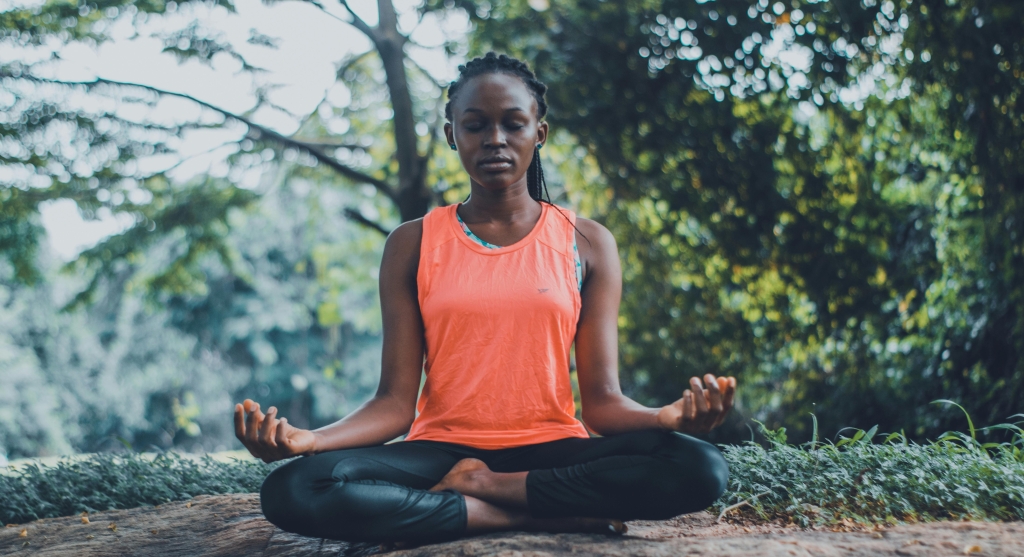
When combined with psychedelic integration, meditation can open the door to more sustained insights, deeper conscious awareness of self, and ongoing psychological growth.
Daniel Shankin, founder of Tam Integration, a long-time meditation practitioner and educator in the psychedelic integration space, says meditation and psychedelics together have been foundational to his life.
Daniel points out that you can only do psychedelics every once in a while, but you can meditate every day. “If psychedelics produce the ‘Aha!’ moment, then meditation is what grounds it in our minds and our lives.”
For example, a psychedelic journey might give you the insight that your behaviors are overly petty, explains Daniel. “You don’t just stop, say, being petty. We need to sit still and unravel the tension and misunderstanding behind the pettiness, because it doesn’t come from nowhere.” Meditation helps us do exactly this.
Research backs up the idea that meditation helps turn psychedelic insights into real action. This 2021 study explored the synergies between psychedelic and mindfulness interventions. The authors described psychedelics as the “compass” that initiates and steers shifts in perspective and motivation, while mindfulness is the “vehicle” that helps integrate, deepen, and sustain those shifts over time.

They concluded that frequent mindfulness practice helps to maintain positive changes long after the “afterflow” period has faded by reinforcing new perspectives and behaviors.
Meanwhile, another review study found that meditation can intensify introspection around psychedelic experiences, ground them in present-moment awareness, and help individuals process emotions non-judgmentally.
How Psychedelics Can Deepen a Meditation Practice
The positive relationship between meditation and psychedelic integration is a two-way street, with psychedelics also helping individuals take more from their meditation practice and stay more consistent.
In a survey on meditation practitioners who use psychedelics, 73% of participants reported that psychedelics have a positive influence on their quality of meditation.
Psychedelics such as psilocybin, DMT, and LSD are known to induce a window of neuroplasticity following a journey. This is the brain’s ability to reorganize its structure and form new neural connections. Think of it like a fresh snowfall on a ski slope with established trails – it becomes much easier to forge new pathways down the mountain.
In practice, this facilitates the integration of new habits, thought patterns, and behaviors in the weeks after a psychedelic experience. Your brain is less rigid, and it takes less effort to begin or deepen a practice like meditation.
Can Meditation Help After a Challenging or Destabilizing Psychedelic Experience?
Not all psychedelic experiences result in the famous “afterglow.” Especially when taken without the appropriate set, setting, and container, psychedelics can induce states of re-traumatization and psychological destabilization in the aftermath.
This usually happens because a person wasn’t screened properly, they hadn’t prepared well, or didn’t understand what they were entering into, they felt unsafe during the journey, or they experienced an ethical or boundary violation during the experience.
Can meditation still help in cases like these – where a person doesn’t feel safe in their own body or mind?
Yes, but it might not look like sitting still and observing your thoughts. Many people who feel destabilized or disconnected from their sense of self following a psychedelic experience find relief by coming back into their bodies through movement and activity.

It’s paramount to bring the nervous system back into a state of regulation, and finding grounding practices that support that, whether it’s calming breathwork, yoga, or spending time connecting with nature. Re-engaging with the routine aspects of life, such as cooking, socializing, and physical movement, all help bring people out of the spaciness and distress that can follow destabilizing experiences.
Individuals feeling extremely destabilized should seek support from a psychedelic integration therapist or coach who is trained in supporting these types of cases, or a community support group that can provide a safe space to process and share their experience.
Using Meditation for Psychedelic Preparation and Intention Setting
In addition to helping post-journey, meditation can also be key during the preparation and navigation of psychedelic experiences.
Prior to a psychedelic journey, meditation can help individuals understand their why: what they hope to get out of the experience. By observing the content of our thoughts in the lead-up to a journey, we can gain insight into what’s being called on to dive deeper into.
For example, let’s say you have repeated thoughts about what other people are thinking of you when you’re at social gatherings. This could be a call to look into the roots of this fear of judgment.
Meditation can help you observe this psychological material and turn it into clear intentions that act as an anchor during the experience.
Meditation can also help you develop tools around bodily awareness and observing discomfort or intensity. These are invaluable during challenging psychedelic experiences where the intensity of visions, sensations, or emotions can be overwhelming. Meditation helps you take an observer stance toward your conscious experience – both inside and outside of psychedelic journeys.
Combining Psychedelic Integration and Meditation: Tips to Get Started
Building a more consistent, deeper meditation practice during your integration period requires commitment, but it shouldn’t feel so hard that you resent or dread doing it.
The key is finding the sweet spot between easefulness and effort, says Daniel. “Meditation should be nourishing and a little challenging, not excruciating. Work hard, yes – but from a calm place.”
Daniel also recommends finding a teacher or meditation group in your local area – someone without a heavy agenda or who makes big demands. Especially post-psychedelics, it’s important to avoid rushing into big life changes. “Integration is about identifying the unmet need your psychedelic journey brought up, and finding the simplest, healthiest way to meet it. Feed your soul without nuking your life.”
In terms of the kind of meditation you choose, breath awareness rarely goes wrong, says Daniel.
Set a timer for 10 minutes, and focus on the feeling of your breath going in and out of your nostrils. You might label the inhale “in” and the exhale “out” in your head at first to help you maintain awareness. Whenever your mind wanders, and you realize, recognize it without judgment, come back to your breath.
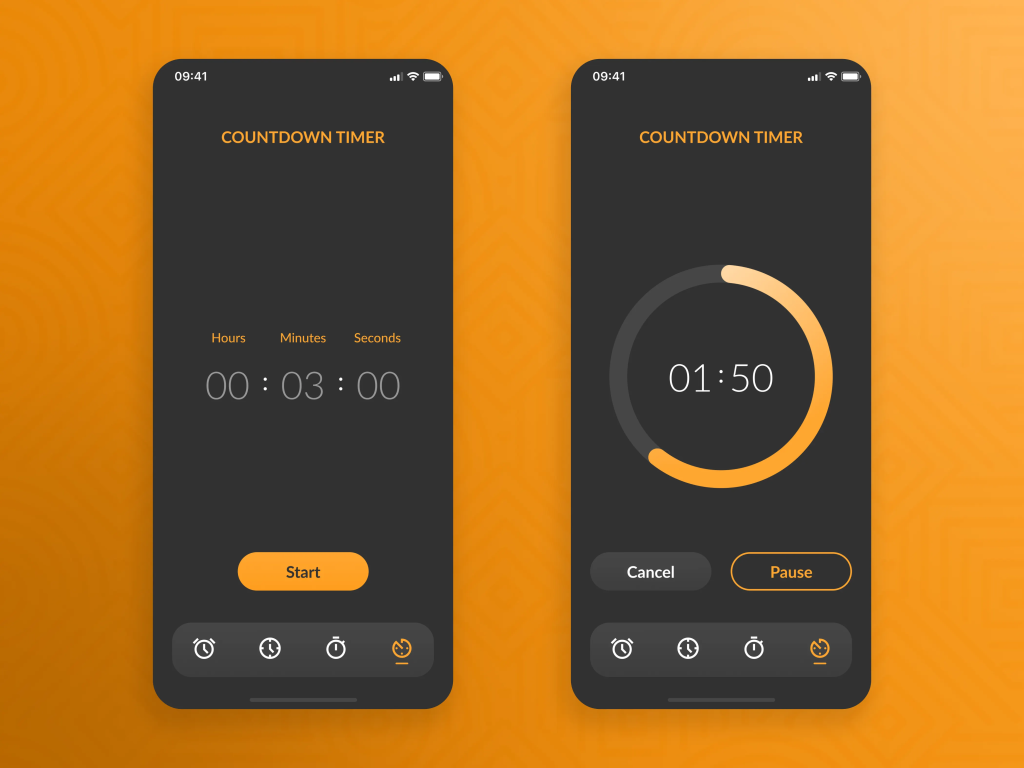
Meditating every day for 10 minutes is more impactful than a couple of times a week for half an hour or more. Find what works for you – whether it’s as soon as you wake up, before you go to bed, or while taking a break from work. Sit or lie in a comfortable position, and try to let go of expectations about what “successful” meditation looks like – just like you would around a psychedelic experience.
If you find it more helpful to use an app with guided meditations, go for it. The Way by Henry Shukman is great for beginners, helping you to develop different meditation “skills” at a manageable pace.
Finally, how you frame your meditation practice is important while building consistency. Try not to see it as another task on your to-do list or a drain on your time, but rather a gift you’re giving to yourself – of stillness and silence.
Meditation during integration isn’t about reaching enlightenment or being transported back to your journey – though with a deeper practice, non-ordinary states of consciousness can occur. It’s about sitting with yourself, allowing yourself to connect with your true nature, and observing what’s happening inside of you without judgment or attachment.
Meditation and Psychedelics: From Insight to Embodiment
Psychedelic experiences can open powerful doors, but it’s how we live afterward that determines what truly changes. With meditation, you can increase your awareness around what arose and why, and embody the insights you received.
In the long term, meditation offers us a pathway to become more deeply identified with the kind of person who can leave behind old patterns and integrate new, healthier ways of being.
If you are looking for a legal psychedelic retreat that offers structured preparation and integration, helping you ensure long-lasting improvements to your mental health, take a look at our programs at MycoMeditations.
FAQs About Psychedelic Integration and Meditation
What type of meditation is best for psychedelic integration?
Mindfulness meditation and compassion meditation are both great options for psychedelic integration. By using mindfulness techniques, individuals can cultivate conscious awareness of their thoughts, emotions, and bodily sensations, enabling them to observe their inner world more clearly.
If part of your integration focuses on self-love or the theme of love within your relationships, compassion meditation can help you expand your capacity for kindness and empathy toward yourself and others.
What are safe screening steps before combining meditation and psychedelics?
- Screen for medical or psychiatric contraindications before psychedelic use, such as a history of psychosis, schizophrenia, or bipolar disorder. This may also include uncontrollable dissociation or suicidal ideation. Individuals with a history of these conditions generally shouldn’t take psychedelics.
- Ensure you are not combining psychedelics with any contraindicated medications or substances, such as SSRIs, SNRIs, antipsychotics, benzodiazepines, sleep medications, stimulants, and alcohol. If you are taking any medications, consult with your medical professional before discontinuing them ahead of a psychedelic journey.
- Assess your nervous system. It may not be a good time for combining psychedelics and meditation if you are feeling very dysregulated or dissociated, or are carrying deep, unresolved trauma. Seek out professional support if you are unsure.
- Make sure you have real-world containment and a support system around you, including a trusted integration coach or therapist, a support group, and friends and family who could step in if need be.
- Understand your intention. Combining meditation and psychedelics is not about breaking your ego or fast-tracking to enlightenment. Stay curious, humble, and willing to go slow.
When should you start meditating after a psychedelic experience?
If you are back on stable ground and feel safe in your body when sitting still with eyes closed, you can meditate as soon as the day after a psychedelic experience. If you’re feeling destabilized or dysregulated, you may want to seek out support or focus on other regulating activities such as gentle movement and breathwork.
Meditation beginners should not push into advanced meditation techniques or retreat-style intensity soon after psychedelics. Start with short sits and build up from there.
How should I structure a post-session integration meditation routine?
Your post-psychedelic meditation routine depends on what works best for you – no one routine is a good fit for everybody. Start with 10 minutes of meditation per day, either using an app with guided meditations or a timer, and find a comfortable and quiet space to sit or lie. Schedule your meditation whenever you are most likely to do it – for many people, this is the first thing in the morning, before the to-dos and distractions of the day have begun.
Can meditation help process difficult or challenging experiences?
Yes – with the caveat that it’s important to feel safe and regulated in your body before you sit still in meditation. If you feel distressed following the experience, start with somatic, grounding, or movement-based practices before still meditation.