

Executive Burnout Recovery: How Psilocybin Can Help Leaders
Explore how burnout recovery is approached by executives and leaders, and why some are researching psilocybin to better manage burnout.
Burnout Recovery with Psilocybin for Executives and Leaders
Many high-performing professionals struggle with burnout. More than 50% of managers feel burned out, a worrying statistic that is confirmed by later research, showing that 56% of leaders experience this. A 2022 Deloitte study found that 70% of C-suite executives have considered quitting because of burnout.
Burnout recovery often involves changes to workload, approach to work, and lifestyle, to ensure that stress levels don’t reach unmanageable and extreme levels. Stress is expected and normal among leaders and executives.
The demand on entrepreneurs and leaders who’ve started their own companies, for instance, is often high. All sorts of stressors are present, including high-stakes financial responsibility, funding and managing cash flow, hiring and retaining talent, managing conflict, and fighting for attention in a competitive market. It is natural for these leaders to become stressed out and worried about these matters from time to time.

But when stress levels become chronic and severe, it leads to burnout, where a person experiences a state of emotional, mental, and physical exhaustion. To handle this, leaders must make sure to effectively cultivate and harness inner and outer resources.
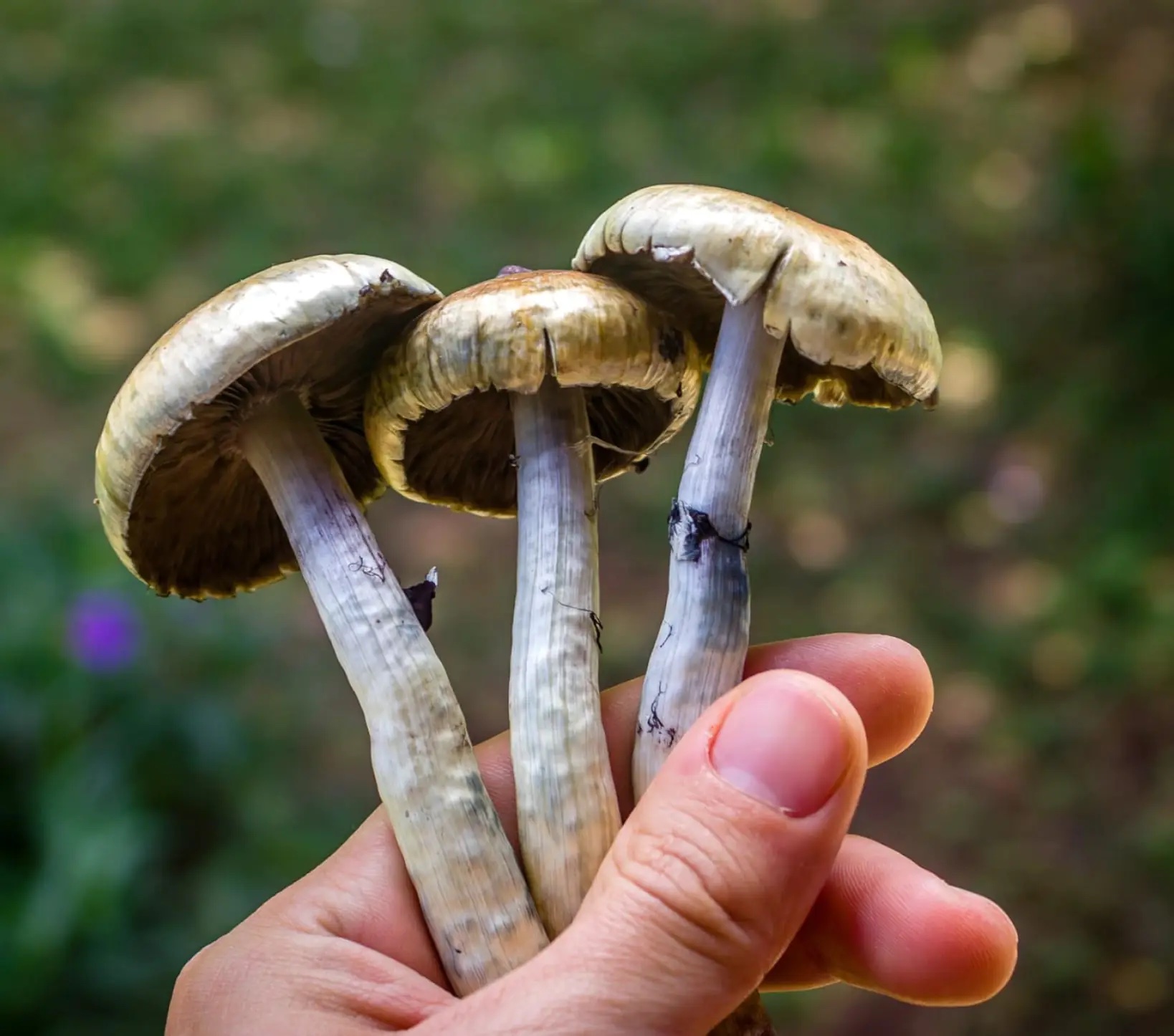
The therapeutic use of psilocybin is emerging as a novel and effective way to reduce or resolve burnout in executives and professionals. As we will see, there are multiple levels at which psilocybin can help with burnout recovery, supported through research.
What Is Burnout Recovery? Symptoms, Causes, and Long-Term Impact
Burnout recovery is the process of restoring physical, mental, and emotional health after a period of sustained and severe stress and exhaustion. This may involve setting strict boundaries, prioritizing self-care to protect one’s mental and physical health, and taking other steps that can reduce stress, such as reducing hours or delegating tasks.
The aim of one or more of these steps is to enhance well-being and a sense of work-life balance, where work and the stresses associated with it don’t negatively affect the rest of one’s life. For instance, burnout is associated with depression and anxiety, sleep impairment, and cardiovascular disease, as well as relationship problems and stress in the home domain.
Research also consistently finds that burnout leads to “lower job satisfaction, absenteeism, and reduced professionalism, productivity, and commitment to the organization.” Another goal of burnout recovery, then, is to ensure that a high-performing professional or executive can perform their role as expected and desired, rather than feel that the stress involved is impairing their ability to do so.
Why High-Performing Professionals Experience Burnout: Key Causes
Executives can experience burnout for multiple reasons, including:
- Excessive demands
- Insufficient resources and support
- The expectation to act as “shock absorbers” for company crises
- The emotional labor of suppressing emotions and projecting strength and calm
- Overwhelming stakeholder demands and constant high-risk decision-making
- Tying self-worth to results
- Inability to set boundaries
- Toxic workplace cultures
According to Deloitte’s 2025 Workforce Intelligence Report, “mental fatigue, cognitive strain and decision friction are now the leading indicators of burnout, surpassing workload volume for the first time.” While workload can certainly play a role in burnout, it is the decision-making responsibilities and mental strain that many high-performing professionals experience that put them at risk of burnout.
What High Performers Often Get Wrong About Burnout Recovery
One mistake that executive professionals make in their burnout recovery journey is treating recovery with the same attitude that they’ve taken towards work. This can, ironically, lead to a state of exhaustion, as one may become overwhelmed with trying to fill one’s life with self-care routines while also juggling the responsibilities of work and home life.
Leaders should avoid suddenly implementing complex, ambitious, or high-pressure self-care routines. The demands on them are already high. Sensibly handling these demands, while in the process of burnout recovery, means having a clear sense of the time and mental resources available.
Simpler and less ambitious routines and lifestyle changes can still go a long way in reducing mental fatigue and cognitive strain. These are foundational changes, such as adequate sleep, short periods of exercise, micro-breaks, and brief periods of mindfulness meditation. When leaders manage their time effectively, such as by deprioritizing or delegating non-essential tasks, they can make time for short but effective interventions for burnout.

A second major mistake that many high performers make is believing that burnout is the result of a lack of willpower, rather than structural issues with how they work or their workplace, and how these issues contribute to chronic stress and physical and mental depletion.
Executives must avoid blaming themselves for burnout; exhaustion is not a result of personal weakness or failure. More often, it signals a need to proactively build the right support structures within their organization. High-performing professionals thrive when they take steps to make their work more collaborative. This is a sign of effective leadership.
To seek help and support – whether from colleagues, peers, a coach, or a therapist – is not a sign of weakness or incompetence. When high performers view their ability to handle any task or issue on their own as proof of their self-worth or success, this is a recipe for burnout and poses a significant risk to their companies.
How Psilocybin May Support Burnout Recovery in Executives
When we consider the causes and effects of burnout among high-performing professionals, there are several ways that psilocybin can aid in recovery based on what we know about its effects.
How Psilocybin Alters Self Perception and Identity
According to the philosopher Chris Letheby, psychedelics primarily benefit people’s mental health by altering the sense of self. Negative self-image and ideas around one’s unworthiness underlie conditions such as depression and anxiety. One’s thoughts act as fuel for this negative perception of oneself, where one believes one is incompetent, not good enough, or a failure.
One benefit of psilocybin is that it helps individuals see their maladaptive self-model as a constructed story, as one model among other potential ones, and that healthier ideas about oneself are possible.
As we’ve seen, executives are at risk of burnout when their self-worth is attached to their role and the expectations they’ve set themselves with respect to that. By revising the sense of self, high-performers start to see that feelings of worthiness and self-esteem don’t have to come from overwork, excessive self-reliance, or suppression of emotions.
By enhancing people’s sense of authenticity – a recognition of who one is deep down – psilocybin helps high performers recognize how their way of working may be misaligned with their personality, values, and goals. This provides the incentive to make work-related changes that feel more authentic to them as a leader.
How Psilocybin May Reduce Rumination and Negative Thought Patterns
Burnout is often characterized by rumination. For executives and leaders, this can involve repeated negative thoughts about work, such as worst-case outcomes, deadlines, mounting responsibilities, or negative judgments about how they are handling the work.
Rumination, as seen in depression, has been linked to overactivity in the default mode network (DMN), a brain hub responsible for self-referential thinking, where incoming information, experiences, and memories are related to one’s self-concept. Psilocybin dampens activity in the DMN, helping people break free from rigid patterns of thinking.
For leaders in need of burnout recovery, this quieting of the DMN is liberating. Executives start to gain a more realistic perception of their role and work-related situations, what’s in their control and what isn’t, which reduces stress levels and anxiety.
How Psilocybin May Increase Self-Compassion and Emotional Resilience
Research has found that psilocybin treatment promotes self-compassion, allowing people to feel a sense of care and kindness towards themselves and an ability to truly recognize their suffering. This can provoke a motivation to alleviate it.
One of the issues underlying distress and burnout among business leaders is heightened self-criticism, self-judgment, and a lack of self-compassion. High-performers may carry out their roles in ways that are detrimental to their mental health. The expectation to accept unhealthy levels of stress takes priority over one’s own well-being. Conversely, developing kindness towards oneself has been shown to improve the well-being and effectiveness of leaders.
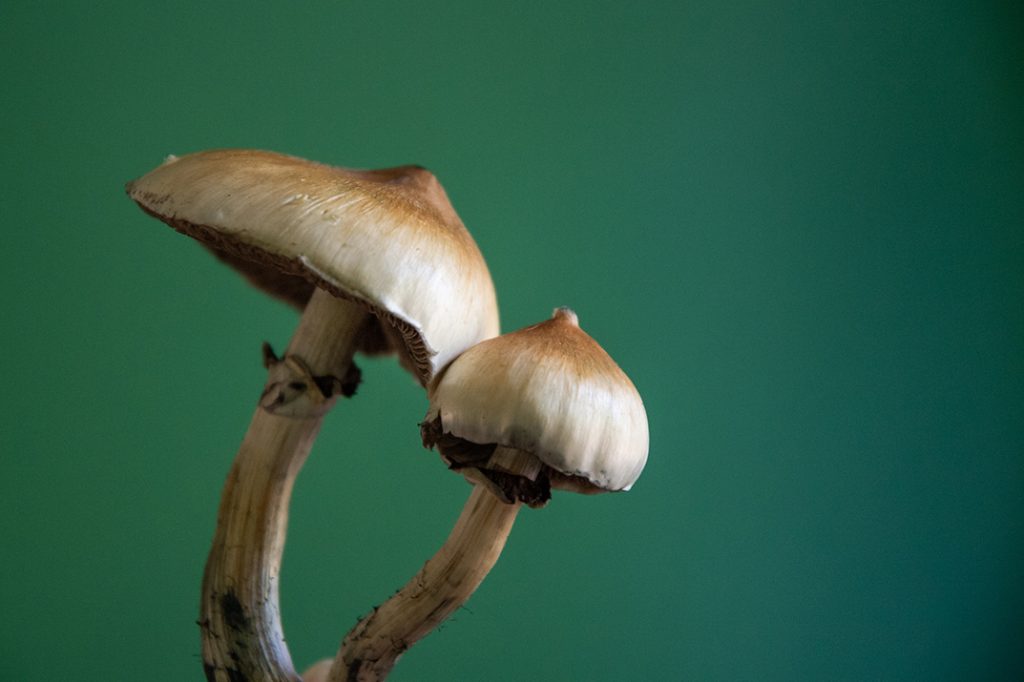
Psilocybin enhances self-compassion, so when used by executives, it often enables them to view their emotional and physical health as a much bigger priority. Out of a genuine wish to feel well and derive fulfillment from life, they gain the motivation to make tangible changes to the way they work.
Moreover, increases in self-compassion following a psilocybin experience can lead to the adoption of healthy habits, driven by a desire to take care of oneself. In relation to burnout recovery, some of these beneficial self-care habits include better sleep hygiene, a healthier diet, a mindfulness meditation practice, regular exercise, and more time spent in nature. All of these changes go a long way in managing stress levels during burnout recovery.
Self-compassion is a strength; it makes people more resilient and equipped to handle adversity. By strengthening this trait, psilocybin helps executives develop both inner and outer skills to lead themselves and their companies more effectively.
Psilocybin and Burnout Recovery: What to Know About Mindset and Support
While we have looked at some of the research-backed ways in which psilocybin can benefit burnout recovery, this doesn’t mean executive professionals should simply take psilocybin mushrooms on their own, without any planning or preparation.
Mindset Preparation for Psilocybin Experiences
One’s mindset (or ‘set’) when taking psychedelics can affect the quality of the experience.
Executives should make sure their levels of restfulness and personal readiness for altered states are as good as they can be. By prioritizing sleep hygiene, physical health, mindfulness, and psychedelic preparedness in the days and weeks prior to a planned psilocybin experience, one will be more ready to handle the states of mind that arise.
The focus of mindset preparation should be about understanding what is already a challenge to them in their work going into the experience, the curiosity to gain insights that can improve their leadership or show them how to change their ways, and being willing to process difficult emotions that impact how they lead and work.
For leaders who are serious about burnout recovery through psilocybin, the experience should be approached with thoughtfulness and clear intentions, rather than recreationally or casually. For burnout recovery and tangible behavior change, the right psychological underpinnings need to be in place.
According to researcher Rosalind McAlpine, psychedeic preparedness involves being ‘ready’ across four domains:
- Support-planning: Having strategies in place for handling difficult experiences; having a plan for what to do in the days following the experience; and feeling a trusting, positive connection with the people one will have the experience with.
- Intention-preparation: Engaging with preparation practices, such as meditation, yoga, breathwork, journaling, diet, and exercise; speaking with a therapist or counselor; and contemplating the reasons for taking psilocybin.
- Psychophysical-readiness: Trusting one’s mind and body to safely process the experience; feeling prepared for the physical and psychological effects; and feeling ready to surrender to the experience and for whatever comes up during it.
- Knowledge-expectation: Being aware that the quality of the psilocybin experience can change; knowing that the experience is somewhat unpredictable; understanding that events from the past could surface during the experience; knowing that a range of intense emotions can arise; and doing research into the effects of psilocybin, through reading books or articles, watching videos, or listening to podcasts.
Why Professional Support Matters in Psilocybin Therapy
At a psilocybin retreat, or during psychedelic therapy, psychological support is provided. This provides a degree of safety that is absent when using psilocybin on one’s own or with friends (who may have no experience supporting people during these types of experiences).
If it’s someone’s first time using psilocybin, and especially if high doses are being used, having a trained psilocybin facilitator or therapist can make the difference between a prolonged, distressing experience and a therapeutic breakthrough that greatly impacts burnout tendencies and leadership capacity.
If negative emotions or thoughts arise, it’s important that they are worked through with an attitude of openness, curiosity, and acceptance. With psilocybin, leaders can gain insight into everything from how early-life experiences shape their current predicament to the present complexities they face as executives.
Psychological support from psilocybin facilitators often involves guidance on how to adopt an attitude of openness during a psychedelic experience, or how to work with the sensations that arise. Psychedelic facilitators and therapists help participants feel grounded and cared for in case the experience ever feels overwhelming or highly distressing.

Executive types also tend to be highly cognitive people. Facilitators can help them connect more with their body and emotions, which is often necessary for psilocybin to be as impactful as possible. Many of the benefits of psilocybin stem from the emotions it evokes, and people need to be mindful and engaged with the sensations arising in their bodies to experience them.
Post-session support is also crucial. Retreat facilitators, therapists, or coaches can support leaders in how they process their psilocybin experiences. This gives leaders a chance to discuss what the experience meant to them and how they are beginning to see that they need to approach their work differently.
Support from someone with a similar background in leadership or an executive position is a valuable way to help a leader gain more from the experience, as their professional insight can inform decisions a leader is considering based on their psilocybin sessions.
How to Make Burnout Recovery Sustainable After Psilocybin Experiences
Psilocybin is not a cure or panacea for burnout. But it can be an important part of the solution.
Maintaining simple, healthy habits, such as regular mindfulness, good sleep hygiene, and an exercise routine, is often the best way to prevent burnout. These habits are effective at reducing stress and anxiety.
But burnout recovery is not just about external habits and lifestyle changes; it’s as much about growing as an individual to lead more effectively and better manage one’s inner resources. It’s about learning where energy is being inadvertently lost and how to better manage it going forward.
Burnout has a highly psychological component to it. Leaders and executives can develop the skills to better monitor and manage it. When insights and lessons about burnout emerge on psychedelics, these must be sustained and put into action after the experience. If a high-performing professional doesn’t integrate what they learned during their psilocybin experiences, there is a risk that they’ll fall back into negative work, lifestyle, and thinking habits.
This is where trusted support is essential. Leaders who work with a psychedelic-informed therapist or coach have an opportunity to deeply explore the insights that arose during a psilocybin experience and apply it into their role and lives. By prioritizing dialogue and communication about the experience and the work, executives can gain clarity and clear solutions to the problems they face.
Through this integration, leaders can enhance and maintain their skill sets and emotional well-being to support recovery from burnout and create a sustainable, ongoing solution to prevent its return.