

Ibogaine vs Psilocybin: Cost, Access, and Treatment Models
Compare ibogaine vs psilocybin in terms of cost, access, and treatment models, and learn how these therapies differ in structure, support, and care environments.
A Full Comparison of Ibogaine vs Psilocybin
Ibogaine and psilocybin are two psychedelics commonly used for psychological healing, in both clinical and retreat settings.
In the past few years, the number of available ibogaine treatment centers and psilocybin retreats or clinics has grown. Mainstream coverage of both psychedelics has fueled this growth, as seen in the Netflix series’ How To Change Your Mind for psilocybin, and In Waves and War for ibogaine.
While they can serve similar aims and can get looped together under the category of “psychedelic therapy”, it’s important to understand the differences between these two psychedelic compounds, of which there are many.
In this article, we’ll be comparing ibogaine vs psilocybin, looking at the different treatment models, cost of ibogaine treatment versus cost of psilocybin therapy, legal considerations, differences in medical oversight required, length of experience, and much more.
Ibogaine vs Psilocybin: Key Chemical and Pharmacological Differences
First, let’s break down the chemical differences between these two psychedelic compounds.
Psilocybin is a tryptamine psychedelic, containing an indole ring structure, and is structurally similar to the amino acid tryptophan. Other tryptamine psychedelics include DMT and 5-MeO-DMT.
Ibogaine, in contrast, is a substituted tryptamine, which means it is structurally similar to tryptamine: it has an indole ring structure, but with modifications (substitutions) on the ring structure. It is more structurally complex than psilocybin (as well as compared to other tryptamine psychedelics, like DMT).
Due to these chemical differences, ibogaine and psilocybin also primarily affect different receptors in the brain.
Psilocybin mainly causes psychedelic effects by activating serotonin 5-HT2A receptors, whereas those induced by ibogaine result from “polypharmacological” activity, affecting kappa-opioid, serotonin, sigma, and NMDA receptors. The metabolite of ibogaine, noribogaine, also affects serotonin and kappa-opioid receptors.
We know that psilocybin affects multiple types of receptors, too, including dopamine and adrenergic receptors, which all contribute to psychedelic effects. Still, the primary receptor targeted that is responsible for psychedelic effects is the 5-HT2A receptor. This also applies to other ‘classic’ psychedelics, such as LSD and DMT.
In contrast, ibogaine is a ‘non-classic’ psychedelic due to its pharmacology. Like Salvia divinorum, another natural, non-classic psychedelic, ibogaine can cause psychoactive and therapeutic effects through kappa-opioid activity. And like ketamine, a synthetic, non-classic psychedelic, it also contributes to psychoactive and therapeutic effects through NMDA activity. This contrasts with psilocybin, whose main psychoactive and therapeutic activity is not mediated by kappa-opioid and NMDA activity.
Also, whereas the compound ibogaine is found in the bark of the Central African shrub Tabernanthe iboga, psilocybin is found in multiple species of mushrooms all over the world.
Ibogaine vs Psilocybin Treatment Models
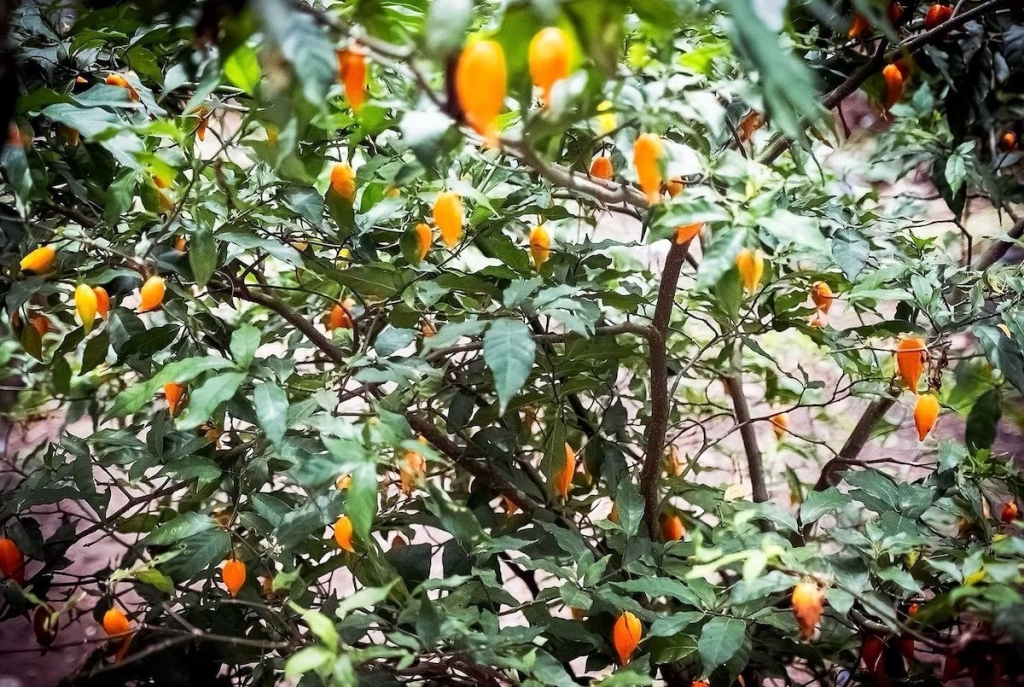
While both ibogaine and psilocybin have a history of Indigenous, ritualistic use – ibogaine in Central Africa and psilocybin in Mesoamerica and Sierra Mazateca, Mexico – treatment models typically occur outside of these contexts. We say “typically” because, of course, participating in Indigenous rituals has offered many Westerners healing from their psychological issues and addictions.
However, the main way in which people pursue these therapeutic effects is through ibogaine treatment centers and clinical/therapeutic and retreat settings in the case of psilocybin.
The Ibogaine Treatment Model: Addiction-Focused Care
One of the main defining features of the ibogaine treatment model is the condition it most commonly aims to alleviate: addiction.
While many people use ibogaine for therapeutic and spiritual reasons, it is mainly studied and used to treat various kinds of addiction. Ibogaine has been shown to result in rapid cessation of withdrawal symptoms and cravings, as well as long-term cessation of addiction.
At the same time, ibogaine is effective at alleviating mental health issues, such as depression and PTSD, that often occur alongside and underlie addiction.
Another distinction is that ibogaine sessions last a very long time. In fact, it’s the longest experience out of all the psychedelics used therapeutically, by far. The intense psychedelic journeys of ibogaine can last 24-36 hours, which people often describe as involving a “life review” or a death/rebirth experience.
A third unique feature of the ibogaine treatment model is that it involves a much greater degree of medical supervision, due to the higher cardiovascular risks of ibogaine. (More on this in a later section.)
The Psilocybin Therapy Model: Broader Mental Health Applications
While psilocybin therapy has been studied and used for the treatment of addiction, people participating in this treatment bring a wide variety of personal and psychological issues they wish to address, including:
- Depression
- Generalized anxiety
- Social anxiety
- End-of-life distress
- Obsessive-compulsive disorder (OCD)
- Post-traumatic stress disorder (PTSD)
- Eating disorders
- Grief
- Lack of meaning and purpose
In contrast to ibogaine sessions, psilocybin sessions are medium-length as far as psychedelic therapy sessions go. Effects last 4-8 hours.
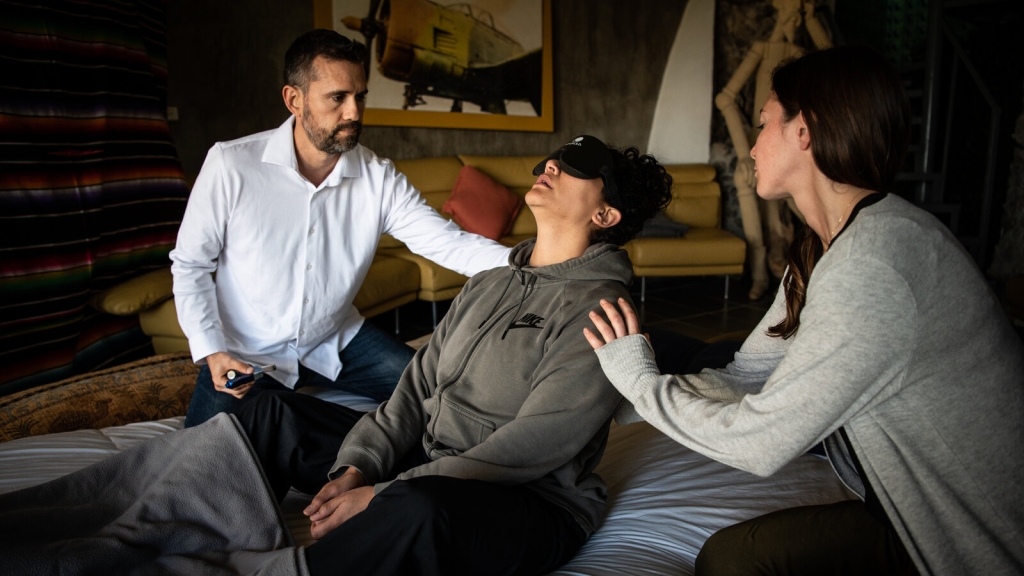
Psilocybin therapy, whether delivered at a clinic or retreat, also involves supervision. However, this is more in the form of therapeutic, psychological support. Psilocybin, even in high doses, does not pose physical risks so sessions don’t require as much emphasis on medical supervision, as they do for ibogaine treatment.
Cost Comparison: Ibogaine vs Psilocybin Therapy
Now that we’ve compared the different treatment models of ibogaine vs psilocybin therapy, let’s focus our attention on differences in cost.
Sometimes, the cost of these treatments is comparable, but it’s important to be aware that it can vary widely as well.
Ibogaine Treatment Costs
Ibogaine treatment costs $2,500-15,000. The lower end of this range may lack adequate medical monitoring and detox, which are both essential for safety. The upper end of this range involves a higher degree of safety, expertise, and professionalism, as well as luxury accommodation and more amenities and services offered.
Standard ibogaine treatment, at this price range, will include at least one supervised dose or “flood” session, accommodation, meals, and some level of medical supervision. More extensive post-session monitoring, aftercare, and integration – as well as treatment options like breathwork, EMDR, massage, deep detox, and round-the-clock medical monitoring – drive up the costs.
Psilocybin Therapy Costs
The cost of psilocybin therapy depends on the setting in which it’s delivered, plus the number of sessions, how much psychedelic preparation and integration is provided, the reputation of the provider, and the quality of the accommodation, meals, amenities, and other activities offered.
Taking these factors into account, legal psilocybin-assisted psychotherapy in the US could end up costing $3,000-$10,000. This would be the kind of psilocybin therapy being practiced and studied in clinical trials, which is not currently FDA-approved.
Where psilocybin is legal, such as at Clarion Clinics, Australia’s first legal psychedelic clinic, patients can expect to pay AUD $24,000 (over $15,500) for nine months of treatment. This makes this legal psilocybin therapy as expensive as the most expensive ibogaine treatment option.
Psilocybin therapy offered in Oregon is cheaper ($1,000-$3,000). This is a non-medical service model, so it involves reduced staff requirements, less training and medical/psychotherapeutic expertise on the part of the psilocybin facilitator, and an absence of FDA regulatory costs (e.g., strict, costly protocols, data collection, and oversight).
Psilocybin retreats tend to also be cheaper than government-approved psilocybin-assisted psychotherapy. They can cost, on average, $668-7,179 (depending on the duration of the retreat). These averages also include high-end, luxury psilocybin retreats that offer the highest level of therapeutic care, which may cost $10,000+.
Access and Legal Differences Between Ibogaine and Psilocybin
When comparing ibogaine vs psilocybin, we also need to touch on the legality of each compound.
While the cultivation, selling, buying, and possession of both ibogaine and psilocybin are prohibited in most countries, clinics, healing centers, and retreats flourish where these compounds are legal (or decriminalized). This affects where people will travel to use ibogaine or psilocybin therapeutically.
Ibogaine is legal for therapeutic purposes in South Africa and New Zealand, and unregulated or decriminalized in Mexico, the Netherlands, Germany, Costa Rica, Portugal, and Gabon. Mexico is one of the most popular destinations for ibogaine treatment, as ibogaine clinics have flourished in the country.
In one form or another, psilocybin therapy is legal in Jamaica, the Netherlands, Oregon, Colorado, Canada, and Australia. It is important to note that not all jurisdictions provide the same ease of access to psilocybin therapy. For example, the Special Access Program (SAP) in Canada is trending towards lower approval rates for applicants seeking to access legal psilocybin therapy.
Medical Supervision: Ibogaine vs Psilocybin Safety Requirements
As mentioned earlier, ibogaine treatment requires a much higher degree of supervision than, say, a psilocybin retreat. More specifically, there needs to be continual medical supervision. This is because it entails a higher heart risk. By altering the heart’s electrical signals, ibogaine increases the risk of arrhythmias and cardiac arrest, not hugely, but still in a non-negligible way.
By 2021, 33 ibogaine-related deaths were reported worldwide. With greater access to the compound now and the proliferation of unregulated ibogaine treatment centers, there has been an uptick in complications and fatal reactions.
There are several case reports documenting ibogaine-related deaths. Many of these fatal reactions are preventable, due to a lack of and improper medical supervision, improper doses, and a failure to screen out those with contraindications, such as underlying heart conditions.
However, it is worth noting that ibogaine can cause a fatal reaction even with low doses, careful regulation, screening, and medical supervision in place.
Based on these elevated risks, we can now outline the kind of clinical monitoring that takes place during ibogaine treatment.
Supervision and Support During Ibogaine Treatment
Just like the safest psilocybin therapy options, legitimate ibogaine treatment centers will follow safe, medically-informed protocols that cover all phases of the treatment.
Pretreatment Screening
This should include an EEG to measure the heart’s baseline electrical activity, bloodwork to check for electrolyte imbalances, tapering off any medications that may interact negatively with ibogaine, and drug testing to ensure a client isn’t under the influence of other drugs, particularly stimulants, which can increase heart risks.
During Treatment
The level of clinical monitoring that takes place during ibogaine dosing sessions depends on whether someone is seeking treatment for a serious addiction problem, who may go through withdrawals, or if it’s a healthier person using it for personal, spiritual, or psychological reasons.
In the former case, high-quality medical oversight normally includes continuous cardiac monitoring using EEG; medical staff (physicians and nurses) present; regularly checking (and replacing if necessary) electrolytes, particularly magnesium and potassium; vital sign monitoring: regularly checking blood pressure, heart rate, and oxygen levels; and careful dosage control.
In the latter case, even healthy people will be monitored at ibogaine treatment centers. This may include using the EEG to monitor heart health, checking electrolyte levels, and managing the psychological effects of ibogaine. However, since healthy individuals won’t be detoxing or have health-related issues resulting from addiction, the clinical monitoring is not as comprehensive.
Post-Treatment
The post-treatment (or aftercare) stage of ibogaine therapy should involve extended supervision for several days (as noribogaine, the metabolite of ibogaine, remains active for a while). Aftercare also requires specialized care to manage withdrawal symptoms (should they be present).

Supervision and Support During Psilocybin Therapy
The therapeutic supervision seen in psilocybin therapy is similar in some ways to what occurs in ibogaine therapy, but different in some important ways, too.
Pretreatment Screening
As with ibogaine, safe psilocybin therapy should involve a careful screening process. Part of this process involves checking for any psilocybin contraindications. This involves checking for personal and family mental health history, current mental health, medical conditions, and any medication or drug use that could interact negatively with psilocybin.
This kind of screening is present in ibogaine treatment as well, although in the latter case, there is a greater emphasis placed on checking heart health.
During Treatment
Because the consumption of psilocybin is not associated with the heart-related risks attributed to ibogaine, as it has a very low toxicity, it does not require the kind of medical supervision applied in ibogaine treatment. While those with underlying heart conditions still need to be careful with psilocybin, as it does raise heart rate and blood pressure, a psilocybin retreat does not require the kind or level of supervision necessary for safe ibogaine use.
Similar to ibogaine treatment, psilocybin sessions are safest when skilled and experienced psychological support is present. Both ibogaine and psilocybin can induce powerful altered states of consciousness, which, at times, might feel confusing, overwhelming, or anxiety-inducing. The presence of a well-trained, experienced, warm, and caring therapist or facilitator can be incredibly helpful and necessary for clients during experiences like this.
Post-Treatment
Like ibogaine treatment, psilocybin therapy involves (varying levels of) integration support to help process, make sense, solidify, and apply the insights and lessons from the psychedelic session(s). This is an essential part of what makes psilocybin therapy both beneficial and safe.
Without this support, many people might find it challenging to sustain or enhance the benefits they gained from their psilocybin experiences. Integration is also helpful for processing and growing from any difficult moments or experiences that may have occurred during the dosing sessions.

Choosing Between Ibogaine and Psilocybin Is About Fit, Safety, and Support
Ultimately, whether ibogaine treatment or psilocybin therapy is appropriate for someone depends on three factors: fit, safety, and support.
First, for many people with severe or chronic addiction problems, ibogaine treatment is the option when they’ve tried everything else, such as support groups and rehab, which have still resulted in cycles of quitting and relapse. For many, this treatment is life-saving and gives people a new lease on life, and weighing up the benefits and risks of ibogaine, this can make the treatment worth going through.
Ibogaine can also help improve the mental health of anyone, whether they struggle with addiction or not. However, if someone is looking for mental health benefits, not an emergency addiction treatment, then they may not feel that ibogaine is the right fit for them, given the duration of the experience, the problem of unregulated clinics, and (non-negligible) heart-related risks. Psilocybin therapy can offer these benefits without some of the unique concerns that people have regarding ibogaine treatment.
But whether someone opts for ibogaine or psilocybin to suit their needs, safety and support should always be paramount. This means feeling you’re in safe hands and have good reasons for thinking so.
By checking for the preparation, support, aftercare, and integration in place, people can feel most assured that they will be getting the right level of care for their journey towards improved psychological health and well-being with either ibogaine or psilocybin.
FAQs About Ibogaine vs Psilocybin Treatment
How do ibogaine and psilocybin treatment models differ?
Ibogaine involves longer treatment because the dosing sessions can last 24-36 hours, whereas psilocybin sessions last 6-8 hours. Ibogaine treatment also requires a much higher degree of clinical monitoring. In addition, ibogaine treatment tends to focus on treating addiction, whereas psilocybin therapy, while initially studied for the treatment of depression, is sought after for a wide variety of reasons.
Why is ibogaine treatment typically more medically supervised?
The ibogaine treatment model involves more clinical monitoring due to the elevated heart risk involved. Ibogaine alters the electrical signals of the heart, which, particularly in vulnerable individuals, can increase the risk of arrhythmias and cardiac arrest.
What affects the cost of a psilocybin retreat?
The cost of a psilocybin retreat depends on the following factors: country, retreat location, quality of accommodation, meals, amenities, additional services and activities, years spent running, reputability, level of expertise, number of staff, and group size.
How do I decide which psychedelic program is right for me?
You can find the psychedelic treatment program that’s the best fit for you by understanding the potential benefits and risks of each compound, deciding which program best fits your budget and where the ideal location for treatment would be, and ensuring that a high level of care and safety is prioritized by any program that initially looks appealing.
What kind of support should I expect before and after ibogaine treatment or a psilocybin retreat?
After ibogaine treatment, you should expect continued clinical monitoring, which should include checking for heart health and withdrawal symptoms. Ample time for integration should also be included, given that ibogaine journeys can be long and intense. A psilocybin retreat doesn’t require this kind of clinical aftercare; however, integration should be expected, typically at least a day after the dosing session, to process and discuss the experience with others. The best ibogaine treatments and psilocybin retreats will provide long-term integration support in the week and months that follow the treatment.