

Healing Childhood Trauma with Psilocybin-Assisted Therapy
Explore how psilocybin-assisted therapy is being studied for healing childhood trauma, including therapeutic frameworks, integration practices, and limitations.
How Psilocybin Therapy May Help Heal Childhood Trauma
Childhood trauma significantly increases the risk of various mental health conditions in adulthood, and for many people, it can also lead to issues such as addiction and relationship problems.
It is estimated that 62.8% of US adults have been exposed to an adverse childhood experience (ACE). ACEs are not identical to trauma. The latter is the emotional distress in response to ACEs, which can leave a lasting mental, physical, and behavioral impact.
ACEs are potentially traumatic events, with the most common types being emotional abuse, parental separation, household member substance use, physical abuse, a household member living with a mental illness, witnessing intimate partner violence, sexual abuse, and parental incarceration. One in four people in the US has experienced four or more ACEs.
Because the wounds of childhood trauma are deep, healing from it is often a long and emotionally difficult process. Many individuals who have experienced childhood trauma live with chronic or treatment-resistant depression.
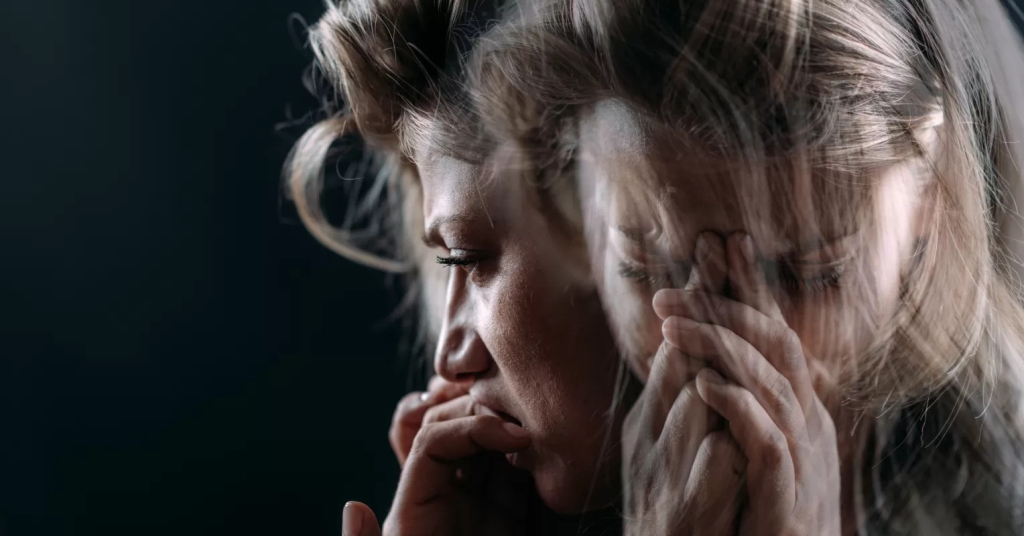
Trauma-based therapies can offer people much-needed relief, but these treatments, as well as conventional medications, don’t work for everyone. There may be no response, inadequate relief, or, in the case of certain medications, troubling side effects that lead to discontinuation.
Addressing childhood trauma with psilocybin-assisted therapy is gaining widespread recognition as a novel treatment that avoids many of the pitfalls of traditional approaches. Psilocybin experiences, when combined with trauma-informed therapy, can facilitate a powerful emotional healing process. In this article, we’ll explain why.
Why Researchers Are Exploring Psilocybin-Assisted Therapy for Childhood Trauma
There are many reasons why researchers are interested in psilocybin-assisted therapy for healing childhood trauma.
Tackling Treatment-Resistant Mental Health Conditions
As already mentioned, some mental health issues don’t respond well to treatments. However, it’s important to note that this typically refers to conventional treatments, sometimes specified as when someone tries at least two antidepressants without adequate benefit (in the case of depression).
It is estimated that 30% of people with depression have the treatment-resistant form. For treatment-resistant PTSD, the figure is 33%. But, as well as medications failing to offer substantial relief from symptoms, traditional talk therapy can be inadequate for many as well.
This is not to discount, of course, the fact that psychiatric medication and various types of psychotherapy can help people with trauma-related conditions experience an alleviation of their symptoms. Nonetheless, patients with a history of childhood trauma show poorer responses to psychotherapy and pharmacological treatment.
Healing childhood trauma with psilocybin-assisted therapy is promising because it has shown an impressive efficacy in treating treatment-resistant forms of depression. The treatment appears to be effective at facilitating the processing of emotional pain, attachment wounds, and relational difficulties in a deeper or more catalyzed fashion than traditional treatments.
Limitations and Side Effects of Conventional Trauma Treatments
Traditional medications can help alleviate symptoms related to childhood trauma and can be incredibly beneficial and sometimes life-saving for many people. However, despite potential benefits, unwanted side effects may occur as well. The most common ones include nausea, weight gain, insomnia, dry mouth, blurred vision, sexual dysfunction, emotional blunting (or emotional numbness), and withdrawal effects when discontinuing use too quickly.
Psilocybin-assisted therapy may involve some uncomfortable effects as well, such as nausea, headache, and temperature fluctuations. However, these are acute effects, which last only during the session itself.
In contrast, the side effects of daily use of psychiatric medication may be more of a constant challenge for people to deal with.
The Rapid Healing Potential of Psilocybin Therapy Sessions
Another difference between traditional mental health treatment and psilocybin-assisted therapy, which attracts interest from researchers, is the major difference in the amount of treatment involved.
Many people who are on a journey to healing childhood trauma may be in therapy for years. Similarly, people struggling with the effects of childhood trauma may use antidepressants daily for years. Again, this commitment to treatment often yields positive results: a significant alleviation of symptoms and the ability to live a functioning, fulfilling life.
But we also know that this journey may involve a lot of trial and error, with talking therapies, therapists, and various medications (and doses) failing to provide adequate benefit in the short term.

While psilocybin therapy is often considered expensive, it can cost someone the same amount as long-term psychotherapy. And if the latter doesn’t provide substantial or lasting benefit to someone, the additional time engaged with psychotherapy may be unnecessary in certain circumstances.
In contrast, research has shown that one or two therapeutic psilocybin sessions, alongside several preparatory and integration sessions, can provide significant and (crucially) lasting relief. Three dosing sessions can provide even further benefits, as evidenced by data gathered from MycoMeditations psilocybin retreats.
Mental health benefits from psilocybin-assisted therapy can last up to 12 months, and sometimes longer for many people; although it is worth noting that some patients do also see a return of symptoms. In these cases, follow-up psilocybin or trauma integration sessions may be helpful.
In any case, researchers so far find it encouraging that the time commitment involved in psilocybin-assisted therapy, lasting a matter of weeks, could provide such long-lasting benefits.
Proposed Mechanisms: How Psilocybin Therapy May Help Process Trauma
The evidence so far for the use of psilocybin for addressing childhood trauma is promising. The authors of a 2023 study concluded that this treatment “may feasibly help in supporting survivors of adverse childhood experiences with particularly strong benefits to those with more severe childhood adversity."
Researchers have suggested multiple ways that psilocybin therapy can be helpful for healing childhood trauma. These mechanisms tend to work together, offering a multi-leveled approach, which is often needed in cases of deeply rooted or complex trauma.
Reductions in Experiential Avoidance and Increased Emotional Connection
A 2020 study found that reductions in experiential avoidance – the avoidance of challenging emotions – predict decreases in depression severity following psilocybin therapy. Avoiding trauma-related memories or emotions is a common response to trauma. It is an understandable response and coping mechanism. However, it can get in the way of processing the emotional pain associated with the traumatic event(s).
The authors of the study note, “We conclude that integrating psychedelics with psychotherapeutic interventions that target experiential avoidance (e.g., ACT) may enhance therapeutic outcomes.”
Reductions in experiential avoidance can also be helpful in the context of post-psilocybin trauma therapy, as this can make people more open to discussing the resurfacing of traumatic memories and emotions associated with it.
Other researchers discovered, similarly, that psilocybin therapy enhanced patients’ connection to their emotions, and this predicted therapeutic outcomes. A follow-up study from one of Imperial College London’s trials on psilocybin therapy for depression found that patients contrasted this benefit from psilocybin with the emotionally disengaging effects of antidepressants.
A Unique Way of Engaging with Childhood Trauma
Facing childhood trauma can be extremely challenging at times. It can bring up intense feelings about oneself and the person or people whose actions led to the trauma. This is why traditional treatments may be slow. Emotional triggers and avoidance are common barriers to successful treatment.
Psilocybin-assisted therapy for healing childhood trauma often works because it involves a unique way of confronting this kind of trauma. Traumatic memories, sometimes played out vividly or symbolically, can arise. While challenging at times, when professional psychological support is involved, psilocybin therapy clients often report a deep processing of the emotional pain.
As a participant in a 2025 study on psilocybin therapy for PTSD said, in relation to difficult memories that arose, “And it was … intense, but it felt … productive … it felt like, it was necessary somehow … that kind of … physical … element … releasing a lot of emotion.”
The authors of the study write:
“The treatment facilitated an experience of both direct and indirect engagement with trauma-related material during psilocybin treatment. Unlike standard treatments requiring direct confrontation with trauma memories, psilocybin appears to enable a broader, indirect engagement with traumatic material via a range of affective, somatic and self-transcendent experiences (e.g., moments of perceived unity, dissolution of self, or felt connection with a larger whole).”
Rebuilding Self-Worth After Childhood Trauma
Childhood trauma is associated with rumination, low self-esteem, and feelings of unworthiness and shame later in life. When trauma occurs in childhood, as the brain is going through major developments, the sense of self can be negatively impacted.
This maladaptive way of relating to oneself can extend well into adulthood, where one believes one is fundamentally unworthy, not good enough, or a bad person. This low self-worth is not just a risk factor for conditions like depression, but also suicidality.
Healing childhood trauma with psilocybin-assisted therapy also seems to work by addressing negative self-talk and self-image. Studies have found that psychedelics can effectively alleviate trauma-related shame, guilt, and self-condemnation. Psychedelics, including psilocybin, can do this by fostering emotional states such as self-acceptance, self-compassion, and self-forgiveness.

By reducing self-criticism and enhancing a more positive relationship to self, psilocybin-assisted therapy can help heal the emotional wounds of childhood trauma. This doesn’t erase the wrongs done or the memories of the trauma. But it does enable a person to have a healthier sense of self that can cope with the past, live more mindfully in the present, and thrive in adulthood, despite what happened to them in childhood.
Risks and Ethical Considerations in Psychedelic Trauma Therapy
The recalling of childhood trauma during psilocybin therapy presents unique risks and ethical considerations. Some patients felt their well-being worsen as a result. This is why adequate and sometimes more extensive trauma-informed and evidence-based therapy is required in conjunction with psilocybin therapy and post-session. Therapists must minimize the risks of re-traumatization as far as possible.
While 22% of people recalling childhood trauma during psychedelic experiences reported re-traumatization, which is not a tiny minority, it’s important to note these experiences often occurred outside the context of supervised and supported psychedelic therapy. Researchers emphasize:
“Participants who experienced trips alone without any guide or subsequent therapy show how a lack of support can leave someone to cope with the fallout on their own, potentially worsening trauma symptoms. Conversely, those who actively engaged in integration work through psychotherapy, journaling, meditation, support groups, or deep personal reflection are more likely to report that they transform their challenging experiences into healing”.
One ethically sensitive issue related to psilocybin therapy is the emergence of apparently long-suppressed and forgotten childhood trauma. As Saga Briggs writes for Big Think:
“Psychedelics have also been shown to increase suggestibility and enhance false memories — effects that understandably raise suspicions about retrieved memories, similar to suspicions in the “memory wars” of the 1990s, a series of debates on the scientific validity of repressed memories, uncovered trauma, and the perils of memory recovery therapy.”
This creates a challenge for psychedelic therapists about how to handle experiences of “forgotten” trauma emerging during sessions. The authors of a 2025 paper argue:
“Clinicians and researchers should indeed refrain from confirming (or dismissing) the accuracy of reported memory experiences if they do not have outside corroborating information. While confirmation is problematic, dismissal or overt skepticism is also not appropriate and may cause harm by, e.g., disrupting the therapeutic relationship.”
This aligns with the non-directive approach to psychedelic therapy that clinicians, therapists, and ethicists deem most appropriate and ethical. This means therapists don’t force their interpretations onto the client, but rather let them discover the meaning of their experiences that are most helpful to them.
Psilocybin is a Powerful Catalyst, But It's Not a Standalone Solution
It’s crucial to keep in mind that psilocybin therapy for healing childhood trauma doesn’t work only through the psilocybin sessions. Experiences of emotional connection, self-compassion, and catharsis are, of course, important aspects of successful treatment, but so is trauma-informed and evidence-based therapy.
Post-session trauma-informed and evidence-based therapy helps to minimize the risks of re-traumatization by giving clients space to process any difficult emotions that arose or which still remain after the sessions.
Lastly, a focus on the integration process that follows psilocybin therapy is key to deepen and continue exploring new positive beliefs, thoughts, and feelings going forward, while mending trauma following a psilocybin session.
By sustaining these healthier ways of relating to oneself, psilocybin therapy serves as an unmatched catalyst to help people heal the wounds of the past.