
MDMA vs Psilocybin: Differences Between Psychedelic Therapies
Compare MDMA vs psilocybin to understand how these psychedelic therapies differ in experience, therapeutic models, preparation, and integration support.
The Complete Comparison of MDMA vs Psilocybin Therapies
Many people compare MDMA vs psilocybin therapy, as these are two of the main psychedelic therapies being researched to address mental health challenges.
However, they differ in a variety of ways: effects, therapeutic models, the type of preparation and integration required, safety considerations, and legality.
We’re going to be unpacking all of these differences to help you pick which of the MDMA therapy or psilocybin therapy best suits your needs and preferences if you’re interested in psychedelic therapy.
Why People Compare MDMA vs Psilocybin Therapy
The ‘psychedelic renaissance’ refers to the resurgence of scientific research into psychedelic compounds for therapeutic purposes, as well as increased public interest in these experiences.
Two of the main compounds studied as part of this renaissance, which the public is increasingly interested in for therapeutic application, are MDMA and psilocybin.
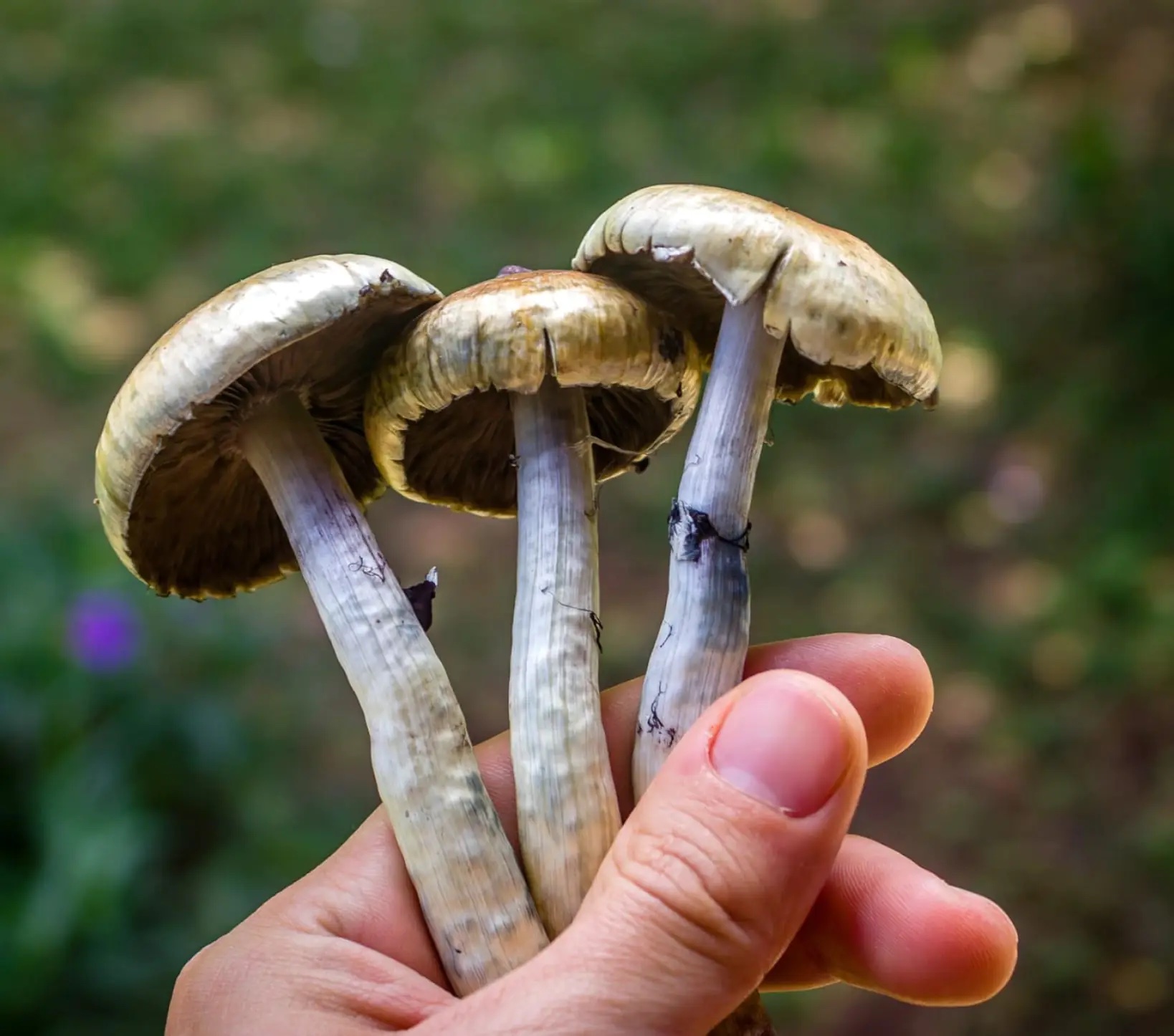
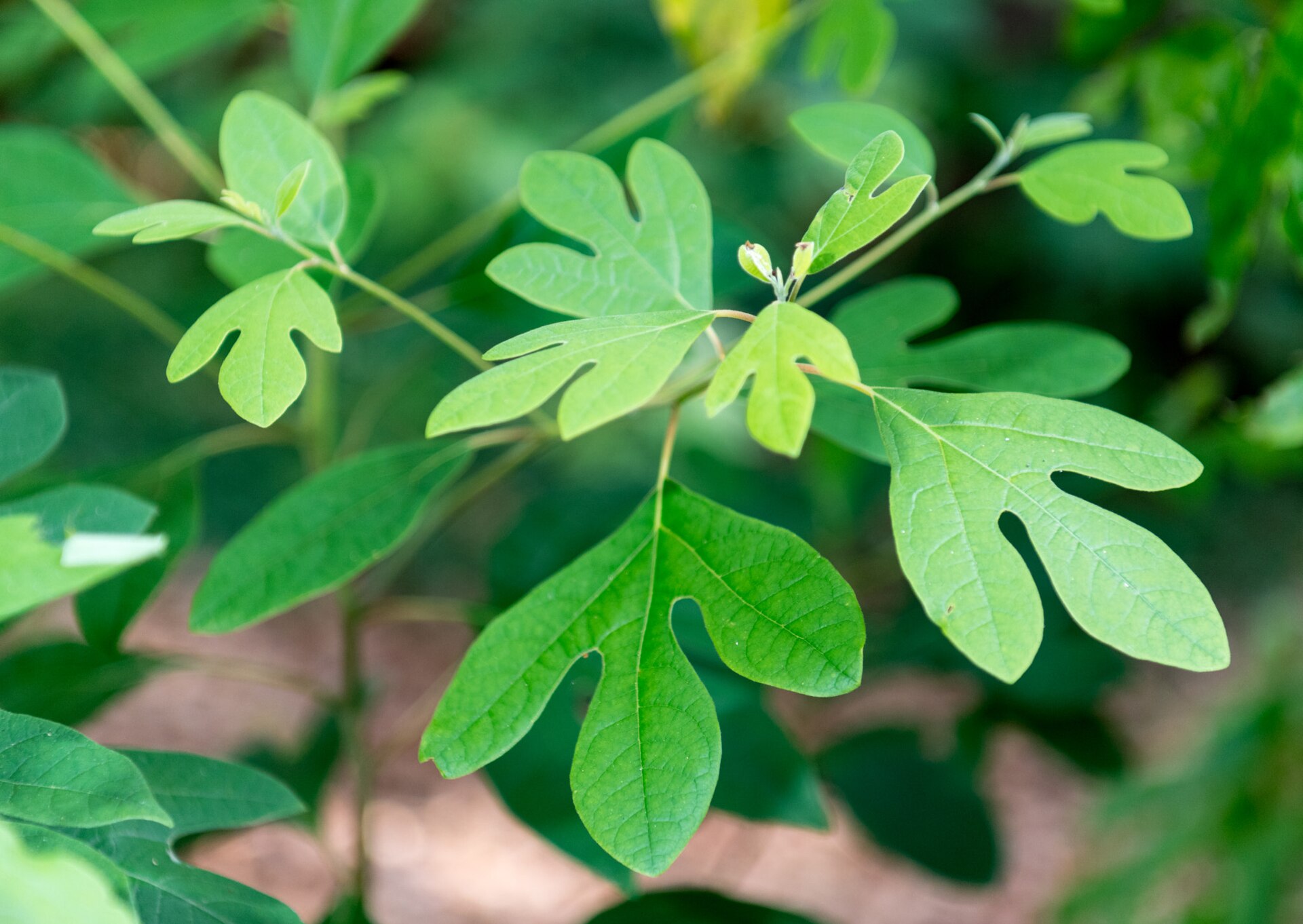
MDMA is often derived from safrole oil, found in the sassafras tree, whereas psilocybin is the psychoactive compound found in a range of Psilocybe cubensis mushrooms.
These two compounds both emerged into mainstream culture in the last century, and also became looped together in prohibition.
Modern research has brought both of these compounds back into conversation as serious therapeutic interventions, with important differences between them to understand.
MDMA vs Psilocybin: Clinical Research and Primary Uses
Many people compare MDMA vs psilocybin because there is a wealth of research supporting their use to alleviate certain mental health conditions. Nevertheless, this research differs in terms of the conditions focused on for each medicine.
While both MDMA and psilocybin can treat a variety of conditions – often the same ones – much of the research on psilocybin therapy has focused on depression, whereas much of the intrigue around MDMA therapy is based on its success in treating PTSD.
Of course, there is evidence showing that psilocybin can be helpful for PTSD symptoms and that MDMA therapy can alleviate depressive symptoms. However, because MDMA and psilocybin therapy differ in terms of research and clinical focus, this inevitably leads people to compare the two psychedelic therapies to see which one is most relevant to their psychological needs.
MDMA vs Psilocybin: Different Chemistry and Neurological Effects
The other major reason people compare MDMA and psilocybin is that they are substances with vastly different qualities.
First, MDMA is a phenethylamine, which is a family of drugs that can include stimulants, entactogens/empathogens, and psychedelics. MDMA can encompass all of these effects, producing stimulation, enhanced emotional connection and openness, and minor psychedelic effects.
MDMA is sometimes categorized as a non-classical psychedelic. Mescaline is another phenethylamine, but it’s a classical psychedelic with more typical psychedelic effects like color enhancement and visual distortions.
Psilocybin, like mescaline, is also a classical psychedelic, but it’s not a phenethylamine. It’s a tryptamine, which means it contains an indole ring structure and is structurally similar to the amino acid tryptophan.
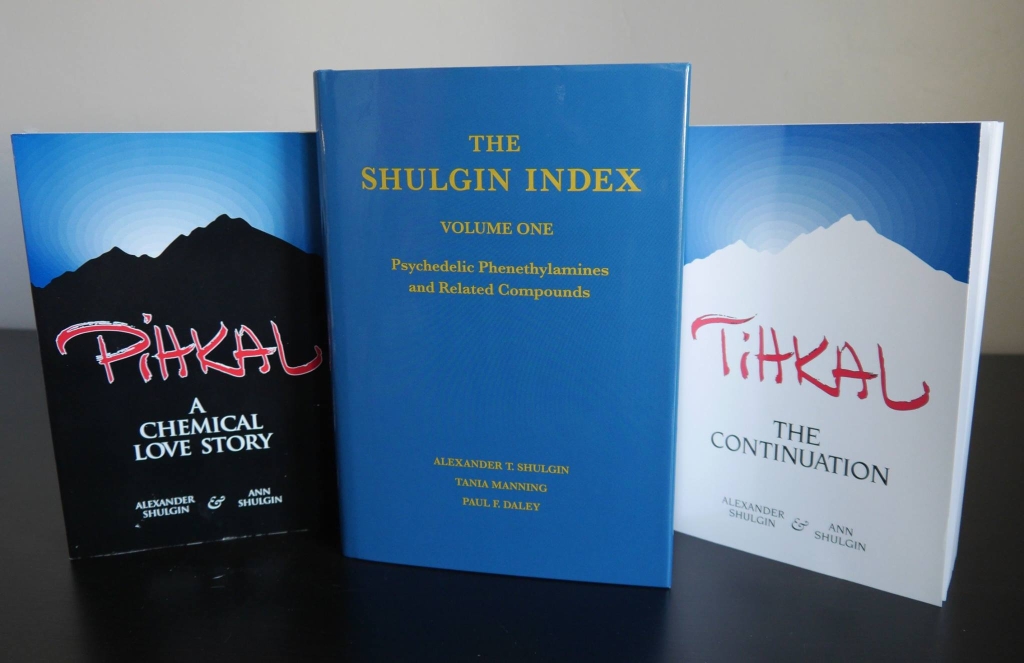
Because of their differences in chemical structure, MDMA and psilocybin affect receptors in the brain differently. As researchers in one paper highlight:
“MDMA is a potent monoamine releaser that produces an acute euphoria in most individuals but it is not considered a classic psychedelic, as psilocybin is. Direct 5-HT2AR stimulation is the defining pharmacological property of classic serotonergic psychedelics, but relative to classic psychedelics, MDMA has a far weaker affinity for the 5-HT2A receptor”.
The key monoamines released by MDMA include serotonin, dopamine, and norepinephrine, whereas the primary effects of psilocybin are attributed to how psilocin, the compound left behind after psilocybin is metabolized in the body, directly activates serotonin 5-HT2A receptors, as well as many other receptors.
How MDMA-Assisted Therapy Works for PTSD and Trauma
As we’ve seen, MDMA is an entactogen/empathogen. This means it reliably produces a feeling of empathy and connection to others, feelings of love and friendliness, and emotional openness. MDMA tends to help people talk openly about their thoughts and emotions, and also allows people to approach aspects of their mind that they normally can’t access.
These empathogenic effects are a main driver of the therapeutic effects of MDMA therapy.
For example, people living with PTSD find it incredibly difficult to revisit and discuss traumatic memories. To try and engage with traumatic material is highly distressing for these people, and can lead to a trauma flashback or re-traumatization.
However, the qualities of MDMA allow clients who experience the therapy to feel safe, and this heightened comfort allows them to revisit and talk about trauma in a way that is otherwise blocked off and unavailable, or even potentially unsafe. This safe access point to traumatic material allows people to process trauma in substantial ways.
MDMA’s ability to enhance feelings of connection and trust results from the release of oxytocin: a chemical involved in bonding and feelings of love. This is especially important in the context of MDMA therapy because it involves working with a therapist. The therapeutic alliance – the feeling of trust and emotional openness with a therapist – predicts success in psychotherapy.

Understandably, PTSD can make people feel distrustful and closed off around others. By softening these barriers and defences, MDMA can allow people to see their therapist as truly trustworthy and as someone they can honestly confide in. This emotional openness creates a strong therapeutic alliance.
In other words, MDMA can catalyze a process that may take years, or not happen at all, in regular psychotherapy.
Beyond PTSD, the ability of MDMA to reduce fear and anxiety applies to social situations as well, which also makes MDMA therapy useful for the treatment of social anxiety.
Because of the unique effects of MDMA, there is often more active, psychotherapeutic work during MDMA therapy sessions than there is for psilocybin. This might involve therapeutic dialogue about how the client feels or what’s coming up for them during the session.
Active psychotherapy during MDMA therapy is more helpful than it is for psilocybin therapy because the client is more likely to have their cognition intact, which allows them to have more complex spoken dialogue with the therapist.
How Psilocybin Therapy Works for Depression and Mental Health
We can now contrast the approach to MDMA therapy described above with psilocybin therapy. Since psilocybin is a classical psychedelic, resulting in distinct receptor activity, this leads to entirely different effects than those produced by MDMA.
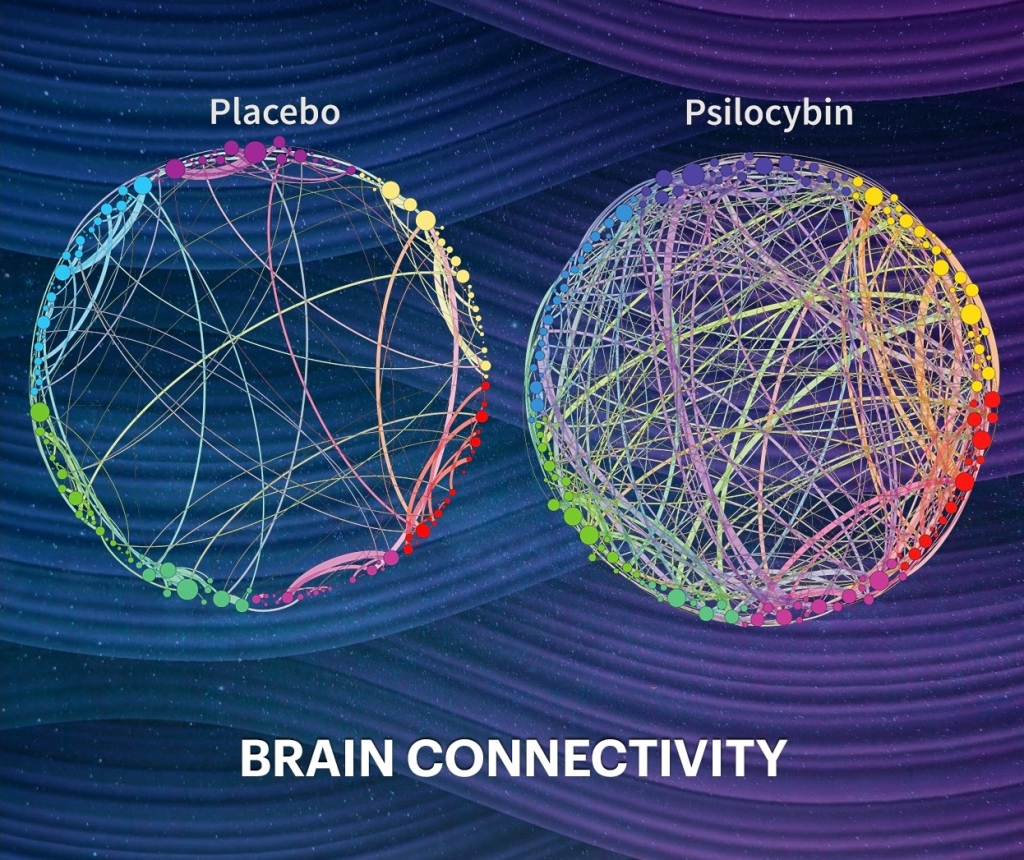
As a 5-HT2A receptor agonist, psilocybin disrupts brain networks to a greater degree than MDMA. This includes disruption of key brain regions such as the default mode network (DMN), an interconnected brain system that is most active during rest, such as when people are daydreaming, thinking about the past, and planning for the future. It is also involved in the sense of self.
Research on depression has found that distinct activity in the DMN is associated with rumination. In other words, when the activity of this brain system increases, this is correlated with more rigid, negative thinking about the past, the future, and oneself. Other studies echo these findings.
As Chou et al. note in a 2023 study, “Individuals at-risk for depression therefore may have an underlying neurocognitive vulnerability to use a brain network typically involved in thinking about oneself to preferentially ruminate about negative, rather than positive, information.”
Psilocybin therapy helps treat depression, for instance, by disrupting this overactive DMN. It dampens DMN activity. This deactivation allows brain regions to communicate more freely, which is associated with the increase in openness and the reduced mental rigidity observed in psilocybin therapy.
This break from the rigid patterns of rumination that a person has become used to allows for new and healthier perspectives on the past, future, and present to emerge. These changes in psychological flexibility are also shown to continue long after the psilocybin dosing sessions are over.
This occurs because of psilocybin-induced neuroplasticity: the ability of the brain to form new neural connections.
Researchers believe this is what makes psilocybin therapy such a promising treatment for depression, as it helps unstick people from inflexible thought processes and beliefs.
For example, philosopher Chris Letheby has argued that psychedelic therapy works because it helps people revise their current models of self, shifting them from beliefs such as “I’m broken” to more positive and realistic self-models.
Another major distinction of psilocybin vs MDMA is the particular way it unearths unconscious material. This is due to psilocybin’s unique ability to disrupt the DMN. When brain regions that are normally disconnected suddenly exchange information with each other, the unconscious parts of a person’s mind rise into conscious awareness.
Mike Ljubsa, an owner of MycoMeditations, says, “It’s like the mind is free to put everything back where it belongs to find a healthy equilibrium. This means new thought processes take over to metabolize and process the blockages that stand in the way of that equilibrium.”
The ability of psilocybin to induce ego dissolution, more reliably than MDMA, is also what facilitates this processing of unconscious material emerging. This is because the ego creates defenses to avoid confronting what we find most painful, distressing, or shameful. To confront these patterns means losing control and facing uncertainty, which our ego will always resist.
Through softening or dissolving the ego, psilocybin catalyzes people’s ability to confront and heal their negative, unconscious beliefs, emotions, and memories.
In contrast to MDMA therapy, psilocybin therapy tends to involve less talking during the session. The role of the therapist is more to represent safety, warmth, and support through their presence. They are there to provide guidance and empathic listening if the client needs it, but for the most part, the therapist and client do not talk and interact as actively as they do during MDMA sessions.
For this reason, the nuances of body language and non-verbal communication are especially important with psilocybin therapy.
What a MDMA Therapy Experience Feels Like
Here are some of the unique effects of MDMA that differentiate MDMA therapy from psilocybin therapy:
- Lower fear and anxiety, and increased euphoria.
- MDMA encourages people to feel connected to others and feel comfortable with social interaction around both familiar and new people.
- MDMA often leads to experiences where a person more deeply appreciates another person they’re with, including their personal qualities, the relationship they have together, and how this person enriches their life.
- The pro-social, pro-bonding, pro-intimacy effects of MDMA can translate into a desire for forms of physical touch such as hugging and hand holding.
- Increases in trust, which can catalyze the therapeutic process through a strong therapeutic alliance and emotional openness.
- Feeling warm or hot, rather than experiencing chills.
- Sweating
- Bruxism (jaw clenching)
- Enhanced pleasure from tactile sensations, such as touching soft fabrics or skin-to-skin contact, which can feel grounding and increase connectedness to others in the case of human touch.
- Physical euphoria may help people reconnect to their bodies and stay rooted in the present moment.
MDMA experiences last 4-6 hours.
What a Psilocybin Therapy Experience Feels Like
As well as producing classic psychedelic effects like visual distortions and mystical experiences, psilocybin experiences often differ from MDMA experiences for the following reasons:
- Transient anxiety is more common, as well as uncomfortable moments that might result in fear or overwhelm. However, when worked through, these sorts of emotions can be sources of insight and growth.
- Psilocybin experiences are more emotionally unpredictable.
- Deeply introspective states, involving subjects beyond the personal and emotional, can occur, relating to existential, philosophical, spiritual, or metaphysical topics.
- The experience is less conversational. During psilocybin therapy, clients immersed in the experience don’t tend to be as talkative.
- More of an inward experience, as psilocybin therapists encourage clients to focus their attention inwards. This helps clients work through a lot of psychological material in a single session.
- Nausea, during the onset phase, is more common.
- Body heaviness is more common.
- Some people experience chills.
- It is less common for people to desire physical touch, hand holding, hugging, etc., except in cases involving psychological support from the therapist.
Like MDMA, psilocybin experiences last 4-6 hours.
MDMA vs Psilocybin Therapy: Treatment Structure and Environment
MDMA therapy is currently in a clinical setting. In MDMA therapy clinical trials, treatment sessions occur in a hospital, clinic, or research facility, although the room is still designed to be aesthetically pleasing and calming.
The same applies to psilocybin therapy clinical trials. People can lie down on a bed or couch, and typically, mood lighting, artwork, and plants are present.
Outside of a research context, legal MDMA therapy, available in countries such as Australia, also occurs in this kind of clinical setting.
Legal psilocybin therapy, however, can occur in a greater variety of settings, due to differing legislation and regulations.
For example, in US states such as Colorado and Oregon, psilocybin therapy is offered in a non-clinical context. It takes place in healing centers, which look more like a wellness center than a clinical environment.
Legal psilocybin therapy can also be delivered in group or private retreats, like those organized by MycoMeditations.
Structure-wise, however, there are many features common to MDMA-assisted therapy and psilocybin-assisted therapy:
- Multiple preparation sessions so that clients can set their intentions and goals, as well as learn what can occur during the experience and how best to navigate it.
- Multiple integration sessions so that clients can process, make sense of, and apply their experiences.
- In a research context, there are two therapists/facilitators (one male, one female) during the dosing sessions. However, outside of a research environment, there may just be one therapist/facilitator present, or more than two in the case of a psilocybin retreat.
- Often, there are two dosing sessions, typically with a 1-5 week gap between them..
- Clients can lie down with an eye mask and listen to a pre-selected playlist, which helps to enhance inward-focused, insightful, and transformative experiences.
- There is an emphasis on trying to “trust, let go, and be open”. Trusting the medicines being used makes an incredible difference in outcomes.
Nonetheless, even though both MDMA therapy and psilocybin therapy involve preparation and integration sessions, this doesn’t mean these sessions look the same.
Psilocybin vs MDMA: Preparation for Psychedelic Therapy
Because psilocybin experiences tend to involve more intense and unpredictable altered states, to prepare for them, there is usually a greater emphasis on developing an attitude of acceptance and surrender, as well as preparing for ego dissolution or existential themes to emerge. The therapists try to prepare the client for a deep journey into unknown terrain.
In contrast, MDMA therapy preparation tends to be more trauma-focused. This means focusing on building a strong therapeutic alliance, identifying the relevant trauma and any triggers, clarifying relational patterns, and establishing some grounding skills. This preparation helps people feel safer when addressing trauma during dosing sessions.
MDMA vs Psilocybin: Psychedelic Integration
Integration for psilocybin or MDMA therapy doesn’t always differ that widely. This is because integration focuses on translating altered states into lived changes. These psychological and lifestyle forms of integration apply to both.
Given that MDMA therapy is most commonly used for the treatment of PTSD, integration may tend to focus on these themes. MDMA experiences can be helpful to build a new relationship to trauma going forward, with integration themes such as cultivating sustained openness, nervous system regulation, and self-soothing.
Integrating psilocybin experiences may also involve re-evaluating one’s relationship to the past, as well as cultivating a healthier, more growth-oriented outlook. Yet, what makes psilocybin therapy distinct from MDMA therapy, integration-wise, is that it often involves making sense of more intense, abstract, or symbolic altered states. For example, psilocybin can produce mystical unity, ego dissolution, archetypal imagery, existential insights, and profound feelings of joy and bliss that require their own attention afterwards.
MDMA vs Psilocybin Therapy: Screening and Safety Considerations
The exclusion criteria for MDMA or psilocybin therapy, based on safety considerations, can vary depending on the study in question. For example, for a phase 3 clinical trial of MDMA therapy for severe PTSD, the study notes:
“Exclusion criteria consisted of primary psychotic disorder, bipolar I disorder, dissociative identity disorder, eating disorders with active purging, major depressive disorder with psychotic features, personality disorders, current alcohol and substance use disorders, pregnancy or lactation, and any medical condition that could make receiving a sympathomimetic drug harmful due to increased blood pressure and heart rate, including uncontrolled hypertension, history of arrhythmia, or marked baseline prolongation of QT and/or QTc interval.”
Psilocybin therapy studies often include most of these same exclusion criteria as well. It’s possible that, due to its more powerful mind-altering effects, psilocybin may be riskier for those prone to psychosis or bipolar disorder than MDMA is.
MDMA, because it elevates heart rate and blood pressure more than psilocybin, may involve an elevated heart risk for those with an underlying heart condition. Nonetheless, most MDMA and psilocybin therapy studies still screen equally for both these psychological and physical risks.
MDMA carries a greater physical risk compared to psilocybin, whereas the risks of psilocybin are more psychological in nature. With chronic, high-dose MDMA use, researchers have raised concerns about increased neurotoxicity (i.e., damage to serotonin-releasing neurons).
Nonetheless, MDMA therapy is limited to 2-3 sessions, which minimizes the risk of neurotoxicity. Moreover, MDMA-related neurotoxicity has also been associated with use in hot, unventilated environments, which doesn’t apply to MDMA therapy sessions.
Psilocybin is more often associated with challenging experiences and extended psychological difficulties compared to MDMA. The latter refers to issues outlasting the session, such as feelings of existential confusion, destabilization, or social disconnection.
However, it’s important to note that challenging experiences are correlated with better outcomes when they’re supported. Indeed, many people who have had difficult psilocybin experiences found these to be profound sources of meaning, spirituality, self-insight, and personal growth.
Crucially, without adequate screening, preparation, psychological support, and integration, the risk of distress related to psilocybin experiences increases, both during and after sessions.
While the more intense mind-altering effects of psilocybin can result in challenging experiences, with the right treatment protocols and structure in place, these experiences can be transformed into positive change.
Legal Status and Access: MDMA vs Psilocybin
Psilocybin-assisted therapy is legal in more countries and jurisdictions than MDMA-assisted therapy is. The latter is currently only legal in Australia and Canada. Psilocybin therapy, in contrast, is legal not just in Australia and Canada but also in New Zealand, Colorado, Oregon, and soon in New Mexico.
But, as we can see, neither MDMA therapy nor psilocybin therapy is widely legal and accessible. However, there is active legislation seeking to legalize psilocybin therapy in more US jurisdictions, as well as efforts, which have faced some obstacles, to get MDMA therapy FDA-approved. So, in the near future, these psychedelic therapies could be more widely available.
How to Decide Between MDMA and Psilocybin Therapy
Both MDMA and psilocybin can offer people therapeutic altered states of consciousness.
However, while both kinds of experiences may help treat similar mental health problems, MDMA therapy is considered most effective for the treatment of PTSD, including severe, chronic, and treatment-resistant PTSD.
In contrast, there is strong evidence supporting the use of psilocybin to alleviate depression, including severe, chronic, and treatment-resistant depression.
But, this doesn’t mean that people with PTSD should only consider MDMA therapy, or those with depression should only consider psilocybin therapy. Emerging evidence shows a wider application of both MDMA therapy and psilocybin therapy. The former has successfully treated alcoholism, while the latter has also been helpful for those with OCD and anorexia.
As well as considering what the latest research says, often people will make decisions based on the level of risk they’re comfortable with, legal and access considerations, and the kinds of effects they feel most prepared for.
By understanding how MDMA and psilocybin differ in terms of these factors, it becomes a lot easier to decide on which psychedelic treatment is the best fit for you.
FAQs About MDMA vs Psilocybin Therapy
How do MDMA therapy and psilocybin therapy differ?
MDMA therapy tends to be more focused on the treatment of PTSD, whereas psilocybin therapy tends to have wider applications, although much research attention has been on the treatment of depression. During dosing sessions, due to the effects of MDMA, people tend to talk and interact more with the therapists present than they do during psilocybin therapy.
What types of experiences are associated with MDMA therapy and psilocybin therapy?
MDMA therapy is associated with highly empathic, prosocial, and emotionally open experiences, whereas psilocybin therapy more reliably produces mystical experiences, as well as stronger visual effects like color enhancement, visual distortions, geometry, and visions.
How are MDMA-assisted therapy sessions structured?
MDMA-assisted therapy sessions, like psilocybin therapy sessions, involve the client taking the dose in the presence of two therapists (one male, one female) in a clinical context. When the effects take hold, clients typically lie down with eye shades on and listen to a pre-selected playlist, featuring music to facilitate deeply emotional and insightful experiences. The therapists are there to provide emotional support and an empathetic ear if the client needs it.
What role does integration play after psychedelic therapy?
Integration sessions help people process and make sense of what they experienced, as well as explore how best to apply the insights and lessons of the experience to their ongoing attitudes, beliefs, path in life, sense of self, and relationships. Integration is crucial for sustaining and enhancing the mental health benefits of psychedelic therapy.
How should someone decide between MDMA therapy and psilocybin therapy?
Someone can decide between MDMA and psilocybin therapy based on the problem they deem most important to address, the drug effects and level of risk they feel most comfortable with, and which treatment will be most accessible and affordable to them.