
Can Psilocybin Reduce Systemic Inflammation and Inflammatory Pain?
Explore whether psilocybin reduces inflammation and discover proposed mechanisms, limits of evidence, and what the current science says.
The Ways That Psilocybin May Impact Inflammation
Inflammation is the body’s natural response to injury or infection. It involves immune cells reaching a damaged part of the body, which leads to tell-tale signs of inflammation such as redness, swelling, heat, and pain. It is a defense mechanism, and one which is crucial for healing.
Yet, while temporary inflammation is curative, chronic inflammation, lasting months or years, is linked to various diseases. One sign of the latter is persistent pain. It is an aspect of conditions such as diabetes, arthritis, autoimmune diseases, inflammatory bowel disease (IBD), and fibromyalgia.
Research has found that 34.6% of US adults suffer from systemic inflammation, meaning that they have widespread inflammation in the body, which often results in chronic pain. However, systemic inflammation is not always painful: poor diet, lack of exercise, and a sedentary lifestyle can lead to a low-grade, body-wide type of inflammation without pain. Although this does increase the risk of chronic pain.

Other symptoms of low-grade, systemic inflammation can include persistent fatigue, digestive issues, skin problems, insomnia, and mood changes.
Treating inflammatory conditions (painful or otherwise) can be challenging. Non-steroidal anti-inflammatory drugs (NSAIDs) are a conventional strategy, but they can come with side effects, and long-term use can increase the risk of heart attack, stroke, kidney damage, and high blood pressure.
However, alternative anti-inflammatory options exist. Psilocybin is one novel compound that is showing promise as a safe and effective way to reduce inflammation.
In this article, we’ll be exploring why researchers are studying the use of this psychedelic for inflammatory conditions, as well as proposed mechanisms, and what the evidence does (and doesn’t) currently tell us.
What Is Chronic Inflammation and Inflammatory Pain?
Inflammation occurs when the body releases immune cells, such as cytokines, in response to injury, infection, or irritation. These cells fight off pathogens and repair damaged tissue. The release of immune cells into damaged tissue causes swelling, which puts pressure on nearby nerve cells, thereby resulting in pain.
With inflammatory conditions, this immune response doesn’t turn off. This leads to persistent inflammation and, in turn, chronic pain.
Causes of chronic pain conditions include acute injuries, autoimmune diseases (where the immune system mistakenly attacks healthy tissue), lifestyle factors, stress, and chronic infections.
Inflammatory pain conditions vary. Where the pain occurs depends on where the inflammation is happening.
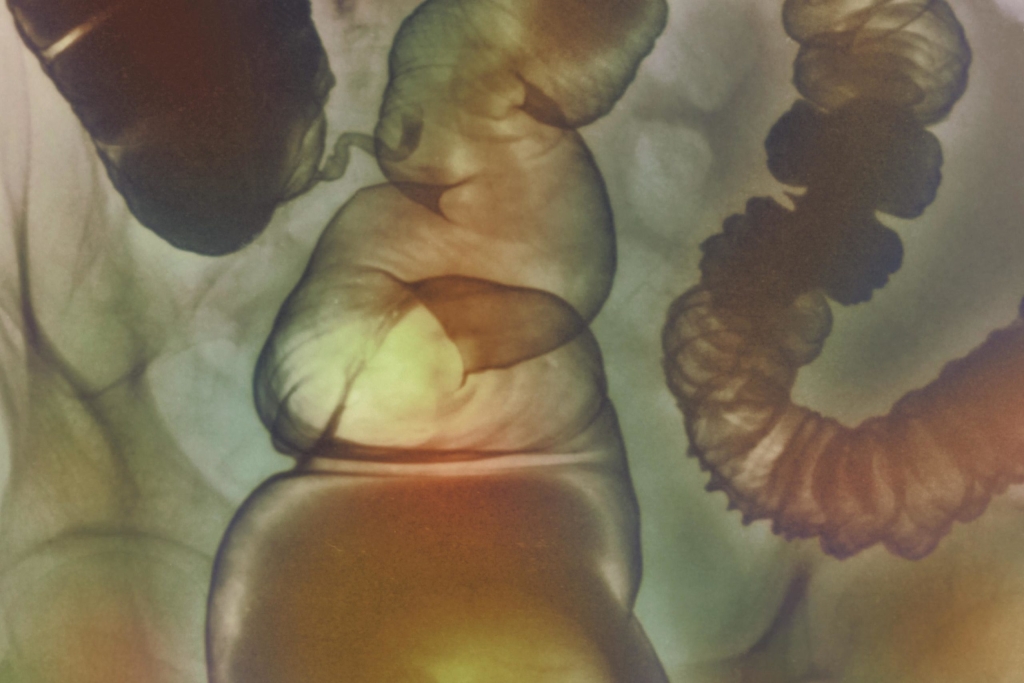
For example, inflammation in the joints is associated with rheumatoid arthritis, gout, and ankylosing spondylitis; when in the muscles, tendonitis and fibromyalgia can result; while in the digestive tract, chronic inflammation is tied to irritable bowel disease (IBD).
But again, pain is just one aspect of inflammation, and it’s not always present. In the above conditions, for example, people may experience fatigue or weakness in the related areas of the body, or persistent diarrhea and unexplained weight loss (in the case of IBD).
Furthermore, in cases of systemic inflammation, the symptoms may not be localized in a specific area or system of the body. Because lifestyle factors that create more widespread inflammation, the symptoms may therefore be more numerous and diverse. And, for some people, this kind of inflammation doesn’t always result in pain, or at least not severe or chronic pain.
Why Researchers Are Exploring Psilocybin for Reducing Inflammation
There are many reasons why researchers are interested in the use of psilocybin as an alternative way to reduce inflammation:
- Many people are not helped by conventional anti-inflammatory treatments. As a novel treatment, psilocybin acts in different pathways in the body compared to NSAIDs, for instance. This could help explain why it provides unique forms of relief for people.
- Psilocybin is non-toxic. Acute and long-term use are not associated with negative health effects.
- Low, non-psychedelic doses of psilocybin may also help reduce inflammation, which would make widespread application of the treatment easier. While we recognize the manifold benefits of the altered states produced by psilocybin, the use of psychedelic drugs without such effects can still hold therapeutic value.
Proposed Mechanisms: How Psilocybin Might Reduce Inflammation
Below are several ways in which psilocybin reseaech has signalled it's potential to possibly help reduce inflammation.
5-HT2A Receptor Activation and Anti-Inflammatory Effects
Research has found that psilocybin produces long-lasting reductions in inflammatory pain in mice, via activation of 5-HT2A receptors. Researchers behind this 2025 study state:
“Our results demonstrate that a single administration of the classical psychedelic psilocybin can reverse pain-like evoked behaviors in two mouse models of chronic pain between 6 and 14 days. However, the effects of DOI lasted only up to 24 h in the same models. Despite differences in the time-course of efficacy, the antinociceptive [pain-reducing] effects of both psychedelics seem to be mediated via 5-HT2AR-dependent signaling. Furthermore, the effects of psilocybin and DOI in our studies are not specific to a nociceptive modality since they were active in mechanical, cold, and thermal responses.”
They add that “the anti-inflammatory effects of psilocybin and DOI may be a contributing factor to their analgesic-like properties.” This indicates that just a single dose of psilocybin may alleviate chronic pain by reducing inflammation, and more so than other psychedelics, such as DOI. The authors also state:
“Since the spinal expression and levels of 5-HT2AR subtypes are increased in chronic pain models such as chronic inflammation, neuropathy and CIPN [chemotherapy-induced peripheral neuropathy], it is possible that the single administration of psilocybin and/or DOI in our models reduce pain-like behaviors by decreasing 5-HT2AR subtypes in the spinal cord and other brain regions as reported in animal studies.”
Another 2025 study echoes these findings: psilocybin’s activation of 5-HT2A receptors is correlated with reductions in inflammatory pain, as well as decreased anxiety and depression, conditions also influenced by inflammation.
The Mind-Body Connection: How Mental Health Affects Inflammation
Psilocybin’s ability to alleviate conditions like depression, anxiety, and PTSD may also contribute to its anti-inflammatory potential. These mental health conditions are not only influenced by inflammation; they are also associated with further increases in it. This is why an anti-inflammatory approach to depression can be effective, and also why reducing inflammation can occur when one addresses emotional pain on a psychological level. In other words, psilocybin therapy may have beneficial downstream effects on our physiology.
For many people, psilocybin can address the psychological factors behind inflammation, which may manifest as pain and/or other physical symptoms. By helping people process and overcome issues like negative mood, rumination, and trauma – all linked to increased inflammation – psilocybin may exert an anti-inflammatory effect.
Recovering From Chronic Stress Through Neuroplasticity
In addition, many mental health conditions result from chronic stress. Through its neuroplastic effects, psilocybin could counteract stress-related brain changes, which would be helpful not only for alleviating emotional distress but also for inflammation. Stress-related brain changes highlight again how poor mental and physical health are connected by similar causes.
Since evidence suggests that psilocybin can correct maladaptive neural pathways, which are influenced by chronic stress, this is another potential way it can enhance both psychological and physical well-being.
Psilocybin for Reducing Inflammation: Study Limitations and the Need for More Research
While there are several studies indicating that psilocybin reduces inflammation, it’s also important to highlight the research gaps:
- Reliance on pre-clinical (in vitro) models. Studies have found that psilocybin reduces inflammation in human cell cultures, but this doesn’t capture the complexity of the whole human body. Inflammation, after all, is related to many different systems, interactions, and processes.
- The limitations of animal models. Psilocybin can reduce liver inflammation in mice. However, most animal studies involve acute inflammation, not the sort of chronic inflammation that many people deal with. In addition, while mouse models are useful indications of what could be helpful for people, rodent immune systems still differ from those of humans.
- Limited human clinical data. A placebo-controlled study showed that psilocybin decreases inflammation in participants, but the study involved a small sample size and healthy volunteers, so the results may not translate to those with chronic inflammation.
- Some conflicting evidence. One study found that psilocybin had no significant positive change on inflammatory markers. Nevertheless, we should note that this study involved healthy volunteers, so this evidence may not count against the use of psilocybin for treating inflammatory conditions.
The gaps and limitations in the research tell us that more work needs to be done in this area.
However, the evidence and proposed mechanisms so far are a highly promising start. The burgeoning research on psilocybin indicates that psychedelics have applications beyond the psychological, and it shows too how deeply tied our mental and physical well-being are.
FAQs About Psilocybin and Inflammation
What is inflammation, and when does it become a problem?
Inflammation results from immune cells being sent to fight off pathogens or repair damaged tissue. This increase in immune cells in the damaged area causes blood vessels and tissue to swell, intruding on nearby nerves, resulting in symptoms like pain, swelling, and redness. Acute inflammatory pain is normal and a sign of healing. When it’s chronic, however, it can become a source of persistent pain or other distressing symptoms such as fatigue, difficulty sleeping, poor mental health, digestive issues, and weight loss or weight gain.
Why are researchers interested in psilocybin and inflammation?
Researchers are interested in studying psilocybin for reducing inflammation because there is promising pre-clinical evidence, as well as animal studies and some clinical data, showing its efficacy. Moreover, psilocybin has a better safety and side effect profile compared to long-term use of some conventional anti-inflammatory drugs, such as NSAIDs.
What limitations exist in current inflammation research surrounding psilocybin?
Imitations in the research on psilocybin and inflammation research include a reliance on pre-clinical (in vitro) data, animal models, and clinical data involving small sample sizes and healthy volunteers.
Why is it important to avoid overstating medical claims about psilocybin's effects on inflammation?
It’s crucial not to exaggerate claims about psilocybin’s use for reducing inflammation, as research in this area is in its infancy. The best way we can legitimize and explore the potential of psilocybin's potential broad applications, such as for inflammation, is to continue rigorous research until medical claims can be proven. That said, it is helpful to mention the positive signals when they present themselves through research. Future studies and trials may provide more robust evidence about psilocybin’s efficacy for various types of inflammation, as well as the mechanisms involved.